Better daily living. Time returned to people. A stronger Assisted Living community.
A move into Assisted Living brings new routines, relationships, and questions. genus connects residents, chosen supporters, staff, and partners through knowledge, resources, and practical workflows from first inquiry through everyday life and changing needs. Public resources, the care app, and the partner portal provide connected places to prepare, communicate, and follow through. Your organization's knowledge and service commitments shape the experience, while each resident's preferences give that support its personal meaning.
Illustration of a person, family, and care worker connecting; not actual residents or Daniel's story.
Residents feel heard
Keep familiar routines, interests, and choices in view. Ask residents directly what helps, invite chosen supporters appropriately, and follow through when a preference or need changes.
Families stay connected
Provide reviewed updates, orientation resources, and a clear contact for questions. Agree what each audience can see, so involvement supports the resident and respects personal boundaries.
Prepared, supported staff
Connect role-based learning, approved guidance, and practical preparation. Clarify who receives a concern and who follows through, helping teams learn across shifts.
Time for useful support
Reuse appropriate content, prepare reviewed communications, and reduce avoidable chasing. Check complete effort and quality, then verify any effect on organizational costs or contribution.
Shared direction. A personal sense of home.
Across configured locations and teams, coordinate branding, approved knowledge, research, care strategies, and governance. Local teams contribute their service context and residents' priorities. Agree access, content distribution, comparable measures, and reporting coverage. Bring reviewed learning back into shared preparation while preserving local responsibilities and each resident's choices.
A familiar routine makes room for connection
In a fictional example, Daniel prefers a quiet morning and conversation later. A family member raises a timing mismatch with the agreed contact. Staff ask Daniel directly, adjust the invitation within the service, and check back. His preference becomes useful learning for future welcomes, with permission and without making family responsible for directing staff.
02 · The connected workflow
One connected care journey
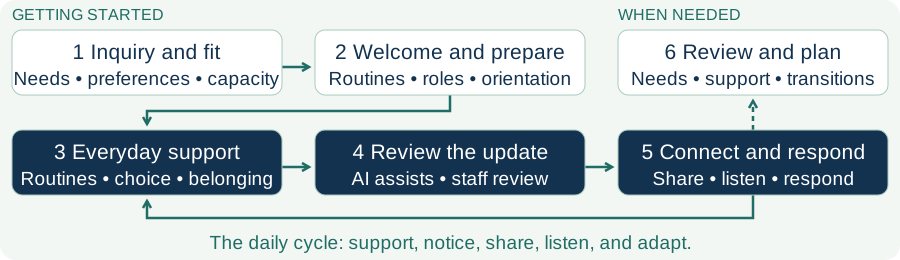
Connect inquiry, move-in preparation, daily life, communication, and review. Everyday support repeats; reviews and transitions happen as needed. Agree the systems, service boundaries, and responsible people behind each stage.
1. Referral, inquiry, and fitRespond, understand needs and preferences, confirm service fit and capacity, and name the next responsible contact.
2. Move in and settle inPrepare orientation, sharing agreements, familiar routines, and staff readiness with the resident and chosen supporters.
3. Everyday supportSupport agreed routines and chosen activities; record useful preferences, observations, and concerns through authorized processes.
4. Review before sharingAI can help prepare drafts from approved information; staff verify accuracy, context, permissions, and recipients.
5. Connect and follow throughShare relevant updates and resources, receive feedback, and confirm who follows through on an agreed change.
6. Review and transitionRevisit preferences and service fit; prepare family discussions, doctor-conversation questions, and appropriate handoffs as needs change.
Supporting work: governance, knowledge, training, staffing, service records, billing, and accounting. Confirm systems and integrations; this map does not establish medication administration, clinical charting, or facility-management automation.
Feedback → accountable review → shared learning → better everyday support. Resident choices guide changes; AI drafts do not make clinical decisions or assign staff.
Illustration: the person and chosen supporters help shape an agreed arrangement.Illustration: prepared staff review context and responsibilities together.
Personal communication across configured communities
Place contacts and pathways in one or selected communities. Review uploads, validation, and exceptions. Keep resident permissions distinct; agree location coverage, connections, and responsible people before use.
03 · Organizational value
Measure what makes the organization stronger
Connect resident experience and staff capacity with financial sustainability. Agree comparable baselines, owners, sources, and review windows. These are proposed local measures, not a live dashboard, promised savings, or customer results.
Starting scorecard: agree a baseline, current result, and next decision.
Area
Practical measures and decisions
Referrals and access
Time to human response; eligible referrals reaching an appropriate move-in within the agreed window.
Show pending cases and barriers to a suitable welcome.
Quality and experience
Usefulness reported by residents and families, separately; preferences followed through; corrections before sharing.
Ask whether the resident feels heard and supported.
Time and efficiency
Staff effort per complete welcome or reviewed-update workflow; estimated hours returned.
Include preparation, review, correction, sharing, and follow-up across roles.
Training and readiness
Current role requirements and observed readiness, assessed separately.
Check practical understanding and follow-through, beyond training completion.
Resident and staff retention
Resident retention and staff retention as separate starting-cohort measures.
Report reasons separately, including planned moves, higher-support transfers, deaths, and staff departures.
Partners and community
Accepted handoffs; resident-confirmed useful introductions among cases due.
Check actual follow-through and welcome, rather than counting invitations sent.
Learning and captured wins
Reviewed improvements tested; decisions and learning returned to contributors.
Carry useful resident, family, and frontline ideas into the next routine.
Financial value
Verified expense reduction plus incremental contribution, less applicable costs.
Verify value after delivery costs; occupancy or retained revenue alone is not net benefit.
Time returned is capacity, not automatically cash saved. Incremental contribution is additional earned revenue less variable delivery costs. Deduct implementation and ongoing costs only where not already counted; count each benefit once.
Use consistent cohorts, periods, and location coverage. Keep missing evidence visible. Pair numbers with residents' and staff members' experience; an appropriate transition can be success. Check other changes before attributing an improvement to technology.
Start with one practical improvement
Choose one complete workflow.
Establish a comparable baseline.
Name a responsible owner.
Agree a quality check.
Review results with the people involved.
Start with one everyday routine, listen to the people living and working with it, and improve the next step together.