# 9. The portal behind the experience
*A calm experience for participants depends on clear work behind the scenes.*
**Industry perspective**
> “The most important thing is to develop a relationship with a patient.” [*](#quotation-context)
Dr. Peter-Marc Fortune, paediatric intensive care physician and chief medical information officer at Manchester University NHS Foundation Trust at publication
[How Microsoft Dragon Copilot is helping UK clinicians focus on care · Microsoft UK Stories](https://ukstories.microsoft.com/features/how-microsoft-dragon-copilot-is-helping-uk-clinicians-focus-on-care/) · September 4, 2025
Speaking about clinical AI and face-to-face care in a Microsoft article about Dragon Copilot. This perspective concerns a different product.
## Give the team a place to work together
A coordinator wants each participant to receive a clear introduction, relevant resources, and a reliable response. Several teams and locations may contribute. They need shared preparation and a practical way to act for the right community.
The partner portal connects content, communities, pathways, campaigns, training, and engagement review. **Prepare shared support centrally; make it useful personally.** Individual and bulk workflows help teams move quickly, with tools and access defined by configuration and role.
A coordinator, editor, trainer, and organizational leader need different views of the work. Each should understand what needs attention and who can act.
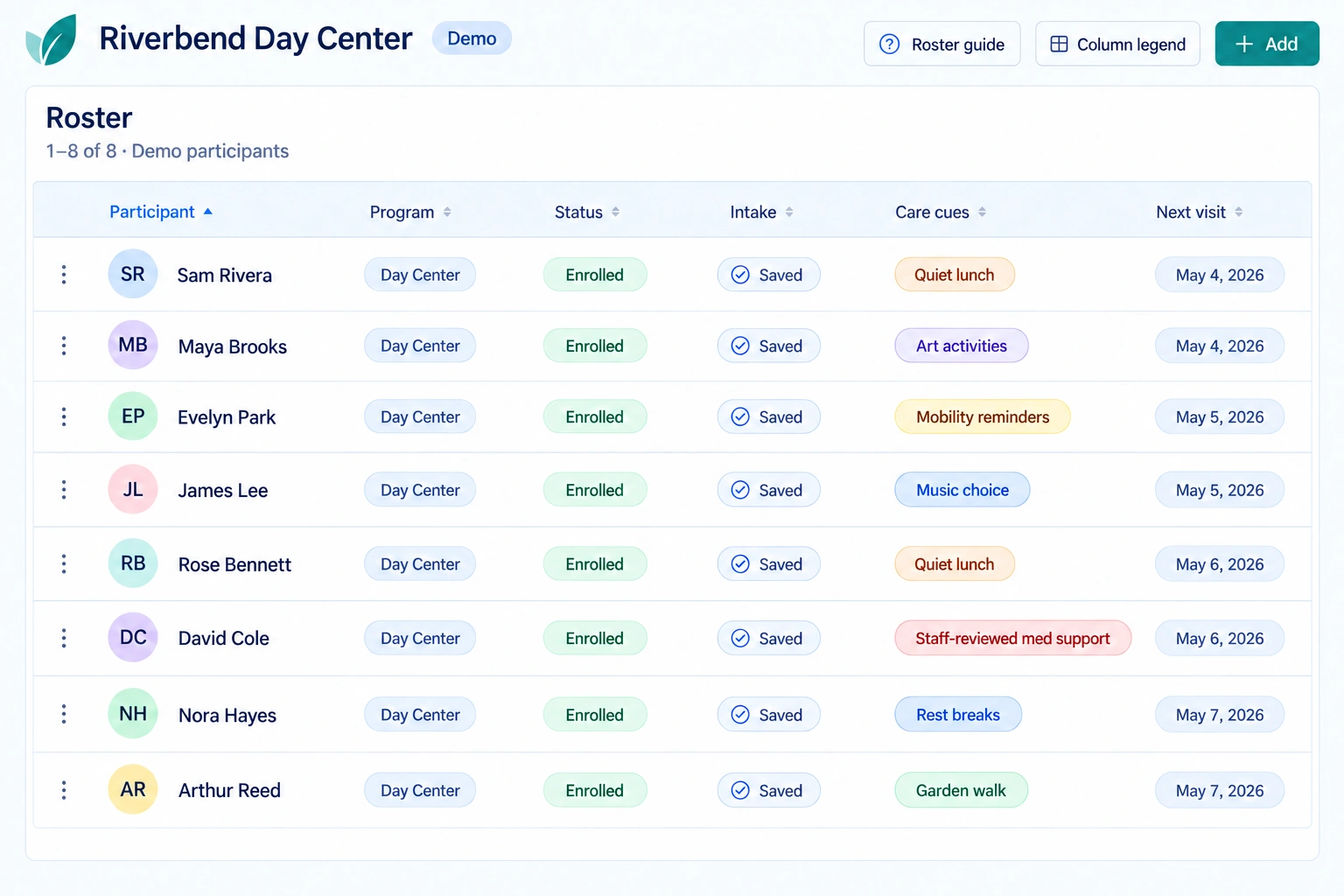
**Figure 9. Help a team see the people behind the work** · Demonstration screen
Existing public demonstration screen with fictional participants. Its annotations are reading prompts for partners, not claims about a particular operational installation.
1. Program and status columns organize the team’s work around named participants.
2. Care cues bring practical context into view: a quiet lunch, an activity, or a rest break.
3. The next-visit column connects the view with preparation and follow-through.
## One community or many
A staff member can place a phone-book contact in one community or several selected communities. Supported bulk workflows can place several contacts across that selection. The team can also make selected pathways available to selected communities. A shared starting point saves repeated setup while each community keeps its own context.
For example, a coordinator could make an approved welcome pathway and the correct local contact available to families joining a program. Staff check the audience and content first, then review the results and any failed operations. Personal communication means that people receive something relevant and know whom to reach; selecting more recipients is only an administrative step.
## Onboarding without repeating every step
Onboarding can begin with an individual record or a reviewed upload. Contact import supports reviewing entries before saving selected items. The participant import workflow supports preview, validation, duplicate review, and applying eligible rows in a batch. Exceptions need individual attention; the team checks completed and incomplete operations.
Setup then connects with the service: confirm the right department or location, community membership, invitations, local contacts, and useful preparation resources. The uploaded records are a starting point for that work. A welcoming conversation, appropriate access, and a clear next step make the beginning personal.
## Central direction, local delivery
A larger organization can coordinate configured departments, locations, and program work through the portal. Shared organizational settings can carry branding, goals, resource guidance, communication style, and rules. Pathway context can include organizational and departmental goals, onboarding guidance, and what success should look like.
The partner’s broader operating model brings corporate knowledge, research, care strategies, and governance into that foundation. Central owners maintain approved resources and common definitions; local teams adapt delivery to their communities. Agree which content is distributed where, who approves changes, and how local feedback returns for review and reuse.
Leadership can use available partner-scoped reports and agreed measures to oversee the work. For organization-wide KPIs, confirm which departments and locations are included, which data is connected, and whether definitions and periods match. The [KPI framework](genus-book-review.html#chapter-13-what-organizations-can-learn-across-the-whole-journey) supports that discussion. A single central view must have a defined reporting scope; complete cross-location aggregation is a capability to verify for the configured deployment.
## Begin with responsibilities
Assign decisions before choosing views: editors review resources, coordinators manage next steps, and leaders examine whether support reaches its audience. Give unresolved questions a responsible owner.
Preparing, publishing, and reviewing information require appropriate permissions. Organizational oversight does not grant unrestricted access to private community information.
Plan the staff time and authority needed to respond alongside the technical setup.
## Content, campaigns, and training
Content provides resources; campaigns organize audience invitations and communication; pathways arrange supported steps. Together, they connect shared material with a particular purpose and audience.
Training prepares people to apply their organization’s practices. Progress, policy, and completion tools support that work. Define role expectations and any observation or supervision needed to establish readiness.
Completion records describe completed learning under defined conditions; they do not establish professional licensure or independent certification.
## The carePhysics connection
[Shared Tools, Local Wisdom](https://genusconnect.org/carephysics/book/chapter-13) emphasizes that a common platform becomes useful through local knowledge. [Build a Community That Can Follow Through](https://genusconnect.org/carephysics/book/chapter-12) connects preparation with the responsibilities needed after an invitation is made.
For the coordinator, shared tools make the work visible. Listening and judgment make the response useful.
## Where AI helps
AI can help draft campaigns and pathways using approved material and organizational context, clarify an idea, and highlight gaps for review. This can shorten preparation while preserving local knowledge and human responsibility.
Confirm the permissions, review, and execution boundaries of each enabled action. Drafting a proposal and distributing it are separate responsibilities.
## Bring your knowledge
Rehearse one participant journey and one bulk setup with the team. Check who prepares, approves, follows up, and handles exceptions.
Then review the organizational view: which locations are covered, which measures are comparable, and how a useful local idea returns to the shared knowledge.
### Explore further — Read a dashboard as a prompt
A missing response may reflect timing, accessibility, changed circumstances, or choice. Pair patterns with conversations. Let staff explain what the display misses, and review whether it helps decisions without creating disproportionate reporting work.
## About the quotations
\* External quotations illustrate relevant ideas and directions in care and technology. Their inclusion does not imply affiliation with, sponsorship of, or endorsement of genus by the quoted individuals or organizations.