
genus perspective
A good time together is worth making room for
Enjoyment deserves a place in community life without being turned into a health claim. We explore choosing an activity people would gladly repeat, with watching, listening and quieter participation welcome.
What we found in the news
The 50 Families evaluation (opens in a new tab) discusses enjoyment within one partner’s food-based activities. Those local accounts do not establish the effects of recreational activities generally.
The report says:
“Joy and belonging were central”
— University of Northampton, 50 Families report, page 13
Our reflection is about giving enjoyment a legitimate place in a community programme. A good time together can be worth planning carefully, even when nobody is claiming that it changed a clinical outcome.
Why this matters to us
A timetable can become crowded with activities chosen for what they are supposed to improve. There may still be room for an easier question: what would people enjoy doing together?
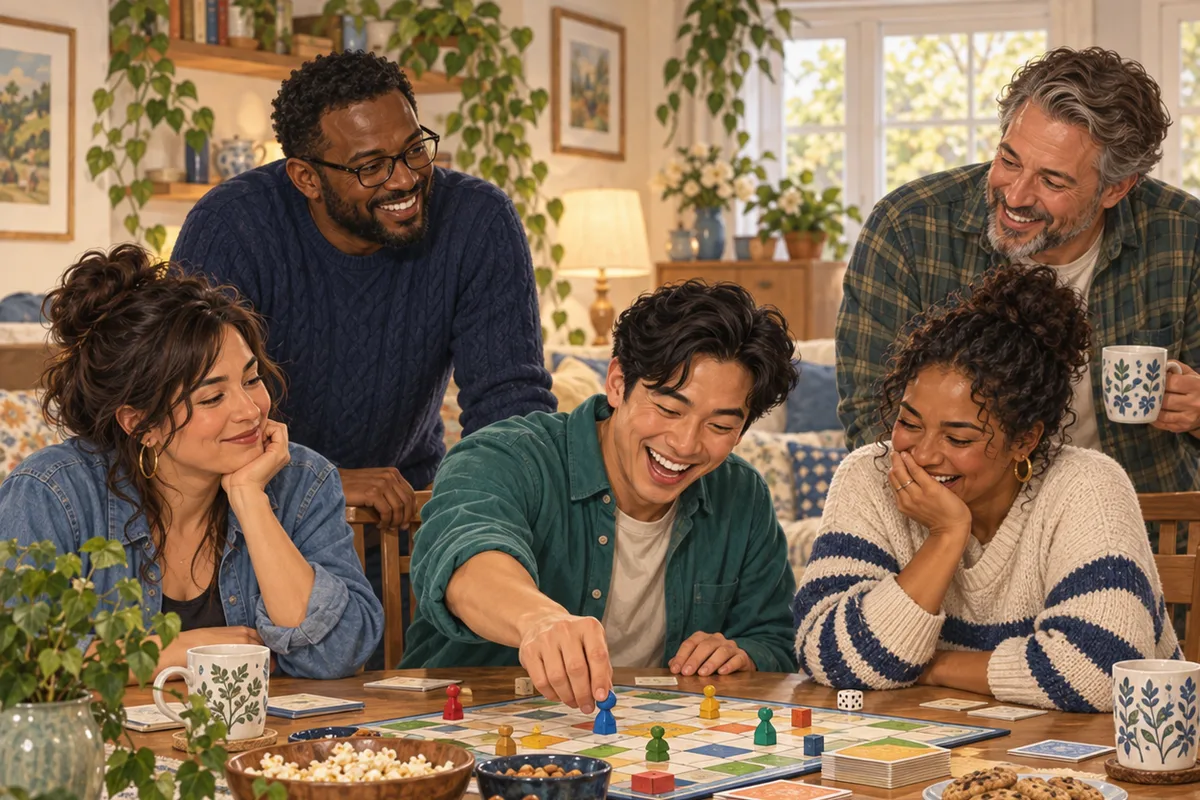
Our genus perspective is that pleasure does not need to be disguised as productivity. A familiar game, a piece of music or a playful making session can be offered because participants want it. The host can be thoughtful about access and choice without giving the activity a promise it has not earned.
People’s idea of a good time will differ. One person likes a lively group game; another enjoys watching the small rivalries from a comfortable chair. Someone else may prefer an entirely different activity. That range belongs in the planning.
Ask what people would gladly do again
Start with specific possibilities and room for another suggestion. If a group has enjoyed an activity before, ask which part they would like to repeat. It may be the game itself, the music around it or simply the unhurried time with familiar people.
Explain what taking part involves. A competitive game can be fun when the rules and expectations are understood. It can feel different if someone is unexpectedly asked to perform or keep up with a fast pace. Offer a practice turn or an observer role where that makes sense.
Keep humor with the shared situation rather than at someone’s expense. An improbable game result or a wonderfully lopsided creation may invite a laugh. A person’s condition, mistake or difficulty should not become the entertainment.
Make participation voluntary in practice. Someone who declines a turn should not have to repeat the decision to several enthusiastic hosts. A comfortable place to watch can be part of the activity, not a sign that they have failed to join.
Notice enjoyment without claiming more than you know
A smile or laugh can be a lovely moment. It does not tell the whole story of a person’s experience, and it should not automatically become evidence of reduced loneliness or improved mental health.
Ask what participants themselves would say about the session. A short comment about wanting another round is useful in its own terms. A person may also tell you that the activity was enjoyable but too loud or too long. Both parts can guide the next plan.
If an organization shares a photograph or account, obtain the relevant permission and keep the description faithful. Say what happened, what someone actually said and what the team plans to try next. Avoid adding an emotional transformation because it makes a stronger caption.
Leave space in the programme for ordinary delight. It can be a small recurring part rather than a large event. The aim is an experience people choose to return to, with enough flexibility for their preferences to change.
The genus connection
Today, Mingle (opens in a new tab) can offer configured shared media and supported games in a live room guided by a human facilitator.
The facilitator selects the experience and adjusts the pace with participants. Available games, access and device controls need to be confirmed for the setup. Participation records describe use of the room; they do not establish health outcomes. People’s own feedback should guide what is offered again.
One question to take away
What would people in your group gladly do again, simply because they enjoyed it?
Make a little room for that answer in the next session. Offer a way to watch or join differently, and let the pleasure remain an ordinary part of being together.
Supporting references
- 50 Families evaluation (January 2026) (opens reference preview; direct link opens in a new tab)
University of Northampton
Local evaluation; self-reports, no controlled causal estimate.


