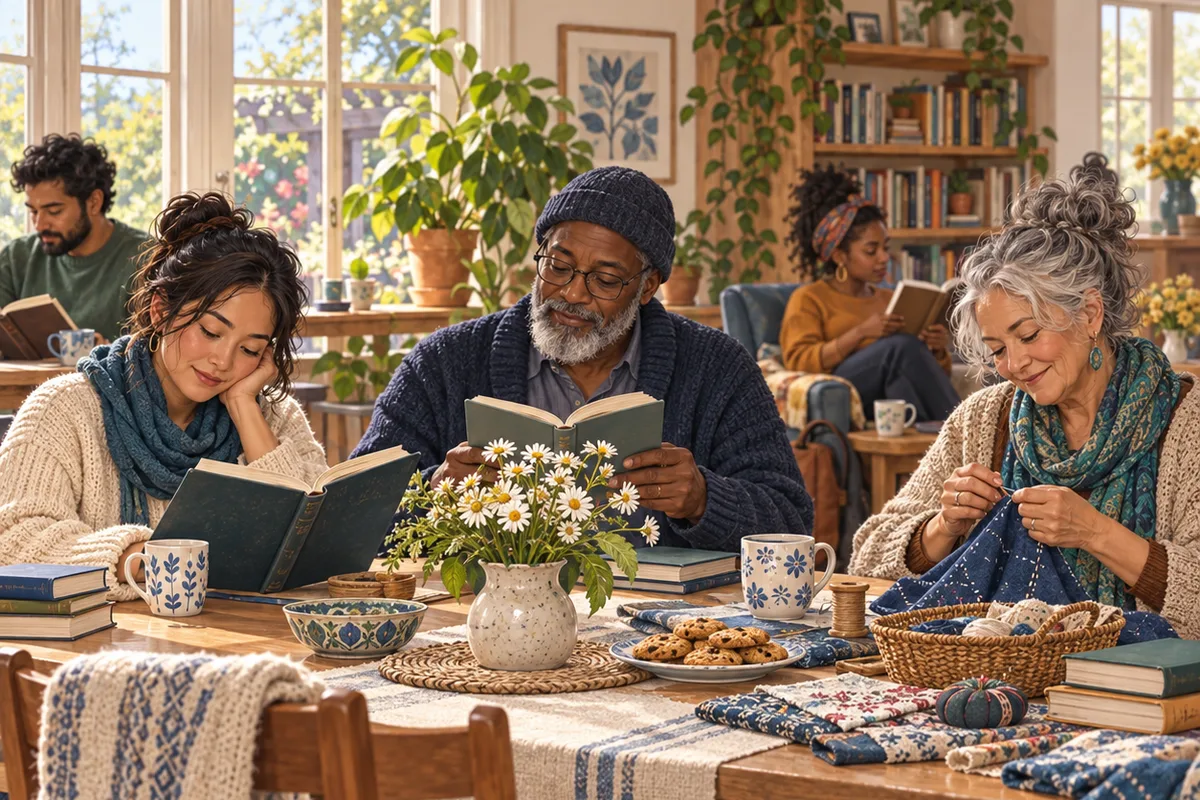
What makes a place feel like yours?
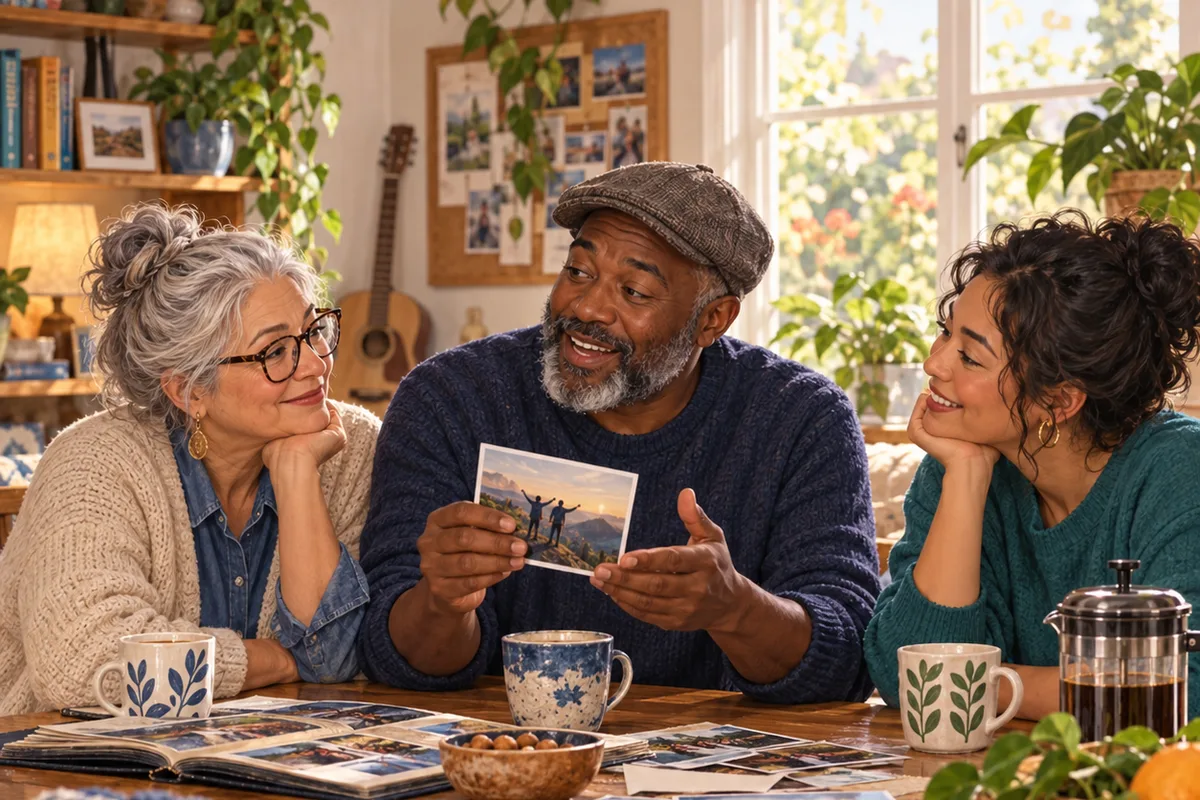
Familiar people, meaningful choices and an ordinary welcome can shape how a place feels. We bring the series together with practical questions participants can answer in their own words.
Observations. Evidence. Ideas.
News, observations, and practical ideas for people who support care. Explore what is changing and what it means for your community.
Explore the research behind our workStart with a topic or a few words, or leave search blank to browse.
Search looks through titles, summaries, authors, and article text. With several words, each word must appear somewhere in the article.
Combine the options below, then choose Find articles. Results must match every option you choose. Leave an option set to All to keep that part open.
An article can belong to more than one theme. Explore what each covers and why we write about it.
Find articles relevant to a community, care setting, or organization. These options include people and partners as well as places:
Choose a perspective that interests you. You can read from any role:
No matches? Try fewer words or remove a filter. Clear filters clears your search and all selected options.
37 articles · Page 1 of 4
Familiar people, meaningful choices and an ordinary welcome can shape how a place feels. We bring the series together with practical questions participants can answer in their own words.
A recurring community activity depends on people, space and work that is easy to overlook. We explore how to support that work, share responsibility and keep an opportunity dependable through change.
A small food project can give people something practical to choose, make and return to. We explore manageable beginnings, different roles and the care a shared project needs between gatherings.
Being appreciated can be part of an ordinary interaction. A daily-life study prompts a reflection on sincere recognition, careful listening and letting people matter without attaching a task to their worth.
Enjoyment deserves a place in community life without being turned into a health claim. We explore choosing an activity people would gladly repeat, with watching, listening and quieter participation welcome.
A community activity can be reached through more than one trusted route. We explore clear introductions, useful partner information and the practical handoff between hearing about an opportunity and joining it.
A useful contribution should fit the life around it. Civic participation findings prompt practical ideas for smaller roles, clearer handovers and volunteer arrangements that can change with people’s circumstances.
A recipe can be an invitation to share something of yourself—or simply something you enjoy eating. We explore community food activities shaped by participants’ choices, with cultural sharing always voluntary.
Company does not always need a lively conversation. We reflect on quieter ways to share a place, with room to read, make, watch or simply be present alongside other people.
A person’s circle may include close friends, chosen family and other meaningful relationships. New research prompts a practical question: who does the person want included, and in what way?
A change in life can change the routines that bring people together. We consider a welcome that allows a short first visit, a quiet return and room to join without telling the whole story.
People can receive support and still have something they want to offer. Research on helping friends prompts a reflection on mutuality, chosen contributions and relationships that do not keep score.