
Who we serve
Find your place as a participant, family member, caregiver, or partner.
Why / How overview
Whether you are a nurse, social worker, caregiver, or volunteer, staying connected, sharing information, finding resources, and working as a team can be a challenge.
That is true in the field, in the office, and for the families, patients, and participants you serve.
The need to care better together is clear. At Genus, we believe it is now possible.
Why genusConnect
Coordinating everyday care with family. Helping someone prepare for surgery. Supporting a loved one through a crisis. In each moment, people need a clear way to share what matters, understand what comes next, and know how they can help.
genusConnect is more than a care app. It is an ecosystem built to unite people, information, and support across care settings—and to grow at the speed of need.
The people we serve drive us forward. We listen, learn, and capture best practices across communities, organizations, and care markets, bringing that learning back into an ecosystem with one shared purpose: connecting all of care.
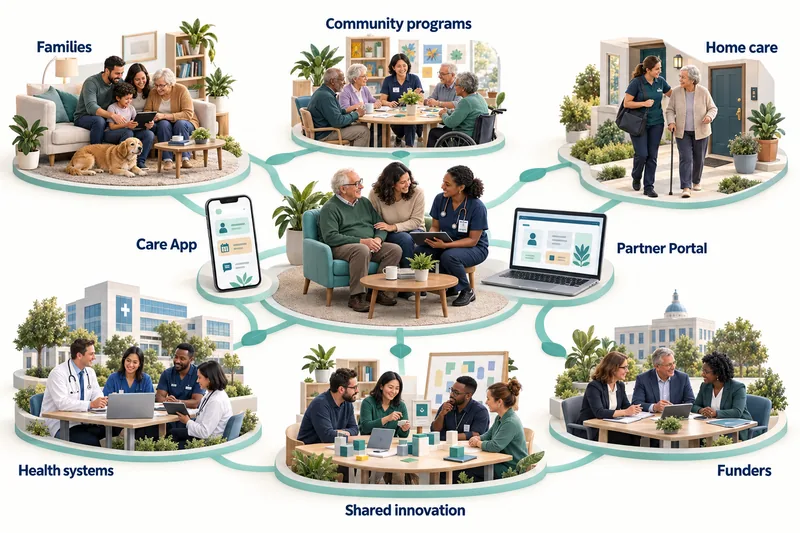
How it comes together
genusConnect brings together tools, resources, and communication in an environment partners can build on. Combine what is already here with your own knowledge, content, and tools to shape support around the people you serve.
Participants and their circle help shape what matters: who is involved, what information is useful, and how they stay connected.
Partners bring their resources, expertise, and ways of working into the environment. Build on shared tools, add your own content, and work with genusConnect to connect your tools where they are needed.
Our aim is for the solution to stay with participants and families. A partner can help establish the support, then step back when no longer needed, while the people at its heart continue together.
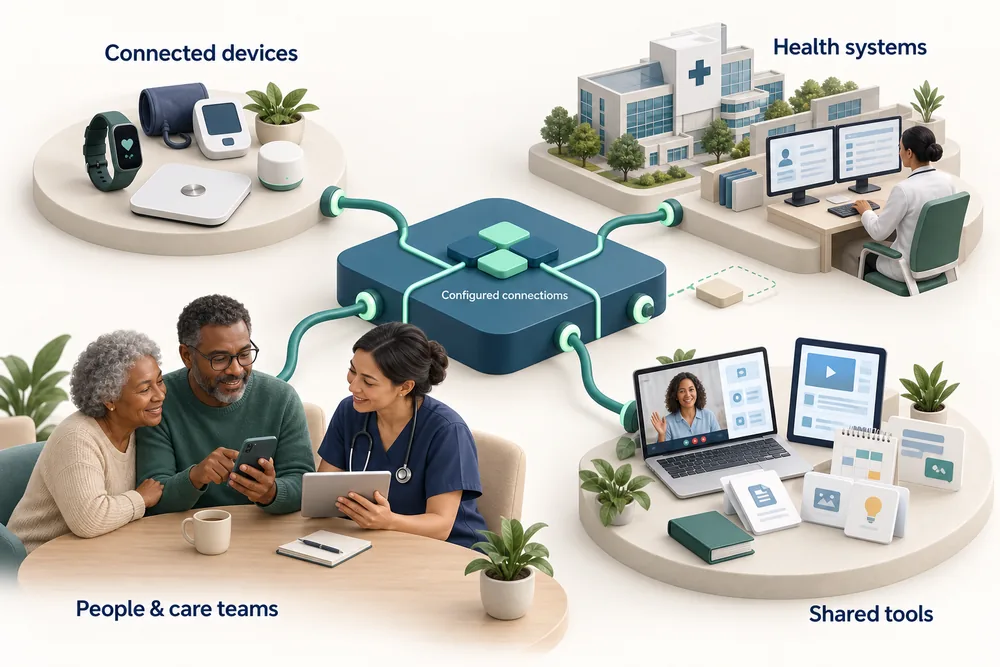
Heart & Soul
The first time we do something, we learn. With experience, we gain understanding, confidence, and a better sense of what helps. What we learn in care can help the next person.
After receiving care or supporting someone we love, we often want to pay it forward—by sharing what we have learned, volunteering our time, or helping improve the process. Each contribution can make care a little easier and more meaningful for someone else.
That spirit has carried care from one generation to the next: sharing a lesson, offering a helping hand, and building on the experience of those who came before us.
That is why we are building an ecosystem partners can make their own. They can add their knowledge and resources, choose the features that best serve their audience, and bring their own tools into the experience. Together, we can create an environment that welcomes contribution and innovation—learning from shared insights and adapting to the ways each of us gives and receives care, and to every person’s unique needs.
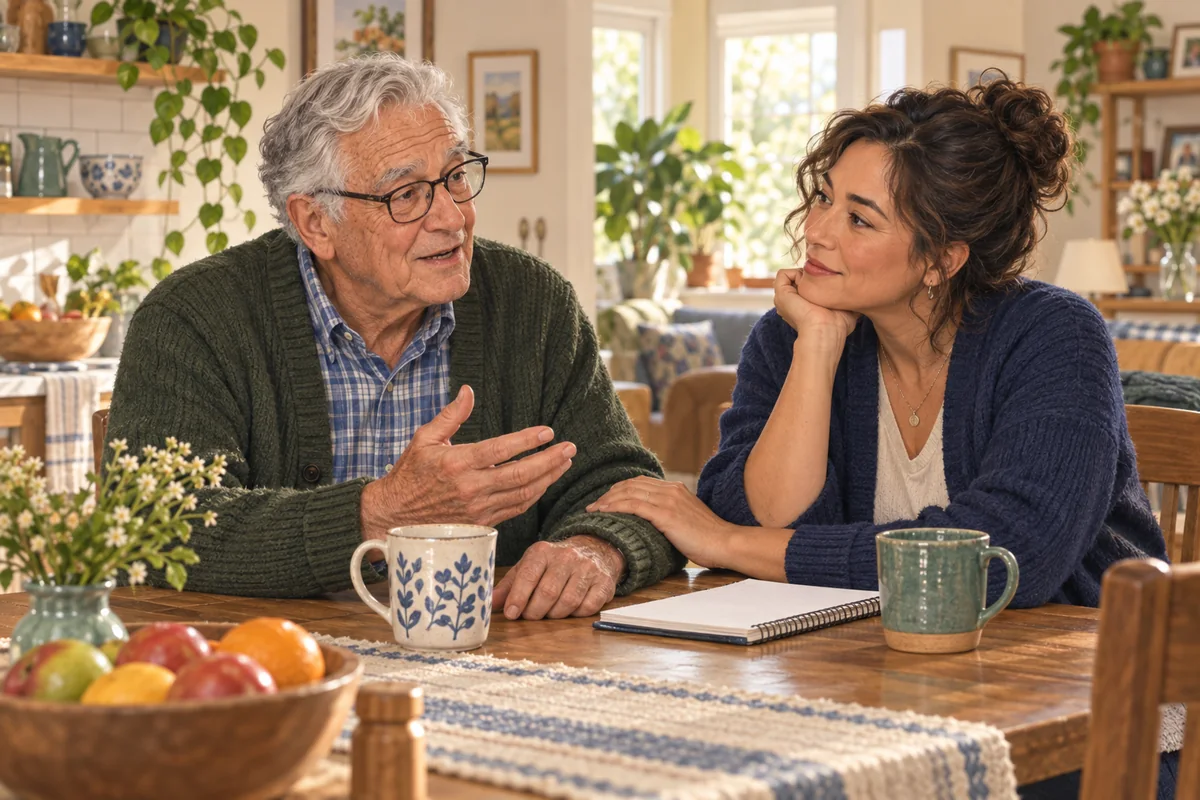
Genus grew from a lifetime of work and the experience of caring for people we love. It comes from being there—all of us: receiving care, supporting someone, or working on the front line. We bring different experiences, but the dream is the same: to do the right thing for the person who needs us.
Better care often starts with an idea from the front line: someone noticing a difficulty, asking a better question, or seeing a simpler way to help. What began as a care app has grown into a platform and is evolving into an ecosystem where those ideas can take shape.
Genus started in 2015, but its roots go back much further. Thousands of remarkable people have shared their stories, their struggles, their ideas, and their hopes. Their experiences continue to shape what Genus becomes.
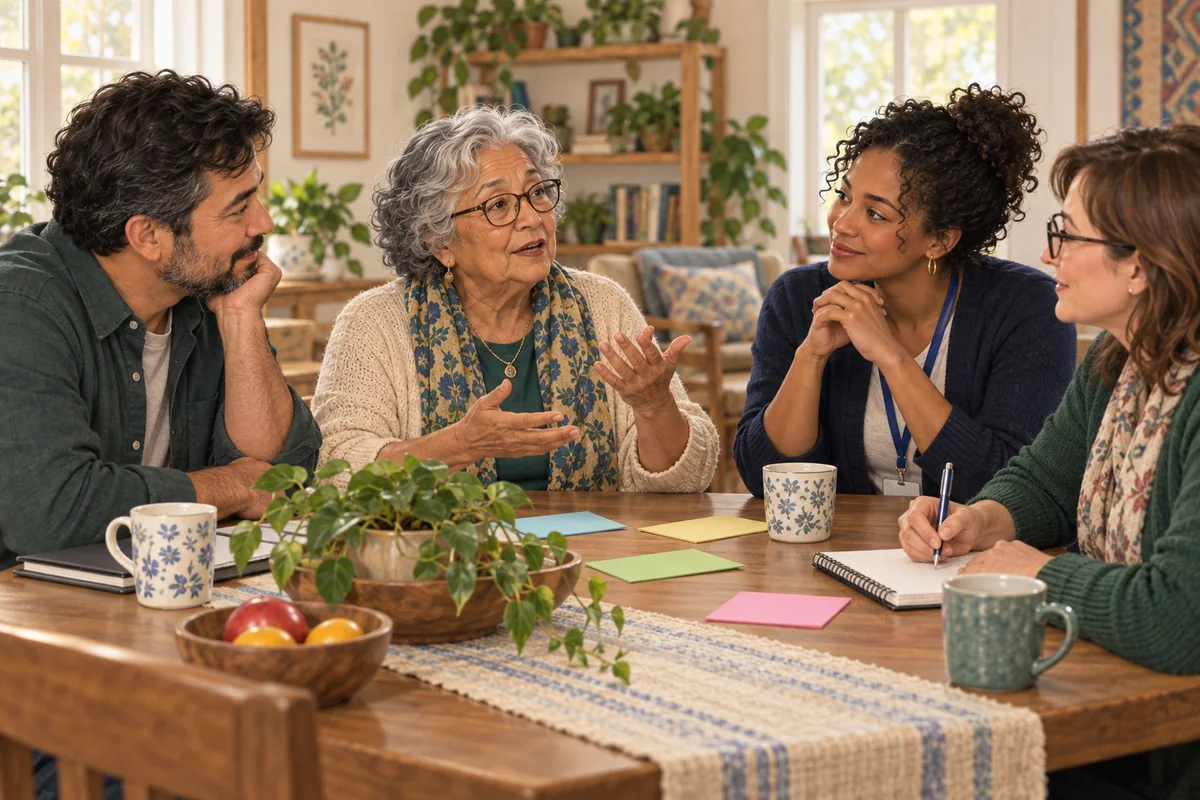
It might begin with a family trying to understand how their loved one’s day went. A conversation with a team member who sees a better way to do something. Or a focus group where someone finally puts a familiar frustration into words.
Sometimes it starts with something quieter: a look of concern that makes us pause, ask another question, and discover what we had not understood.
Those moments help us see beyond a request for a feature to the need behind it. Perhaps someone needs reassurance. Perhaps they need a simpler next step, a way to share what they know, or a little more time with the person in front of them.
The story helps us understand what matters. The feature is how we try to help.
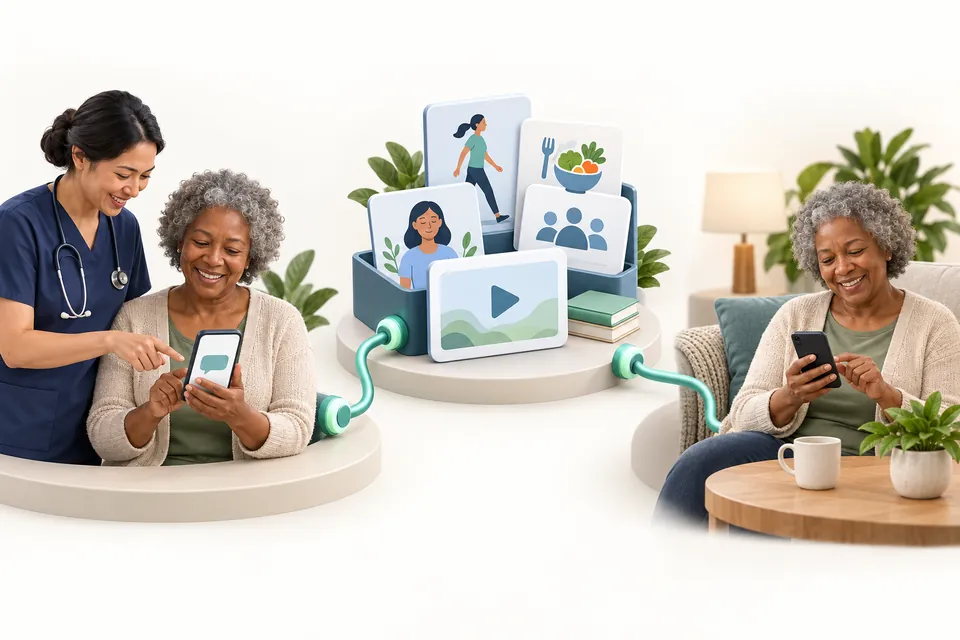
“We need to onboard the patient in 30 seconds.” Nurses found that asking someone to download an app, register an email address, and create a password did not fit the moment—or their workflow.
Together, we came up with a simpler starting point: text a word to a number. That idea became 211-411, connecting people to pathways of resources and support branded to their health system. The pathway can continue through text or email.
Today, you can text “density” to 211-411 to learn about breast density—a practical example of making useful information easier to reach.
Texting the word opts you in to messages about the program. Message and data rates may apply. Message frequency varies. Text STOP to opt out, HELP for help.
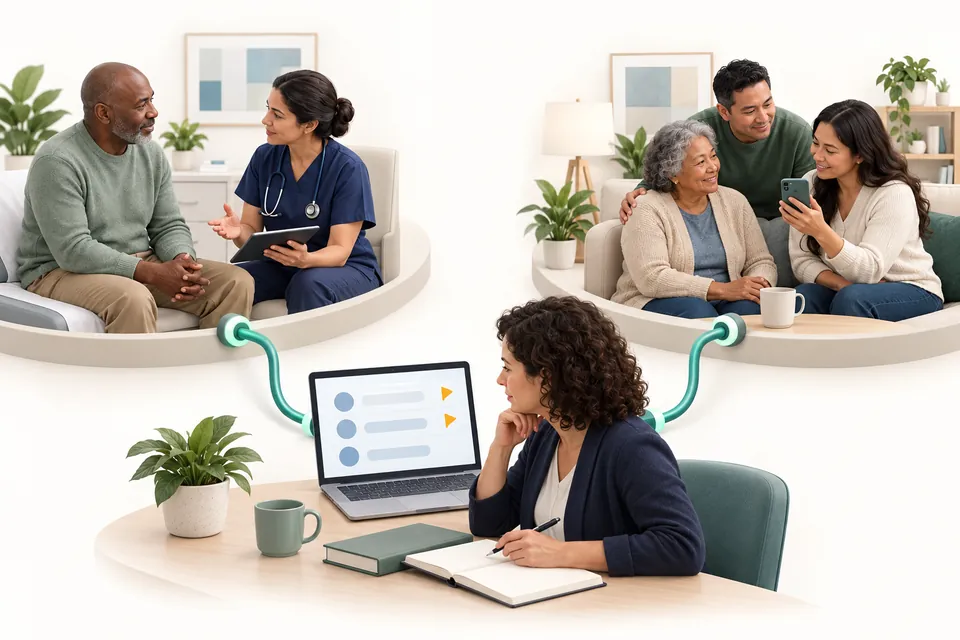
The need for risk analysis emerged in two settings: preparing patients for surgery and supporting family engagement in care. In both, teams wanted to recognize when someone might need more help.
For surgical procedures, that meant looking at readiness and the risk of a last-minute cancellation. For family engagement, it meant noticing gaps in communication or participation that could leave someone without the support they needed.
In both cases, dashboards were modified to help identify risks. The indicators work alongside the team’s experience and judgment, helping people decide where to focus attention and what to ask next.
The aim is to understand what is getting in the way—worry, transportation, physical needs, or uncertainty—and help people respond with the right support.
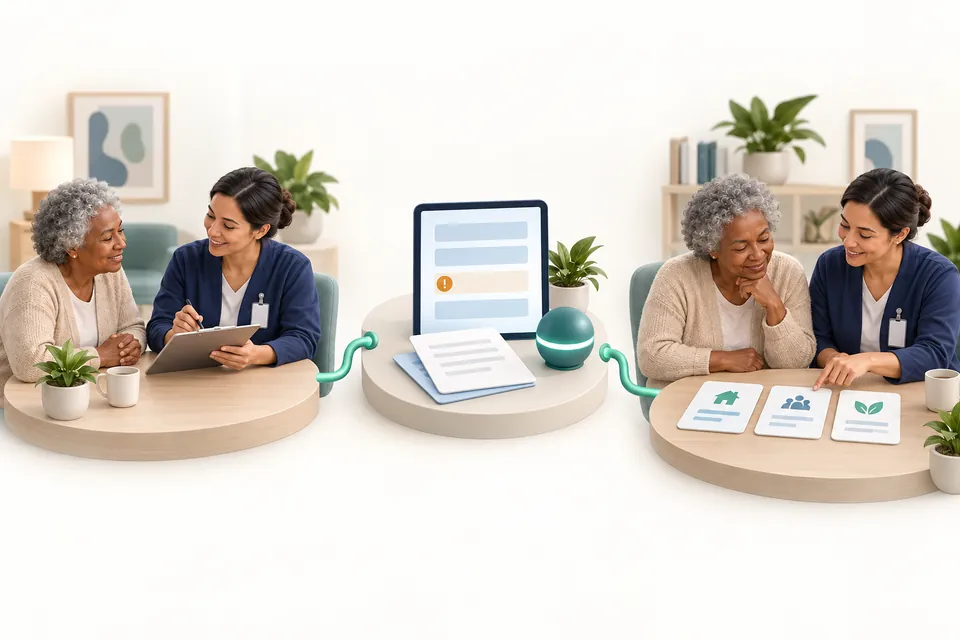
Intake forms collect important information, but teams also need to understand what has changed and where to focus next.
That led to change summaries with each save and flags on sections needing attention, making it easier to review an evolving picture of someone’s needs.
AI can help analyze the information collected, surface useful questions, and assist in drafting a practical game plan. The team reviews and refines that plan with the person and the people supporting them.

When the care app showed how often each person had contacted Mom or Dad during the month, a sibling spoke up: we had created a competitive environment.
That feedback challenged us to think more dynamically about connection. Counting contacts could miss the different ways people contribute—and turn a caring relationship into a comparison. The question became: how can we encourage connection without keeping score?
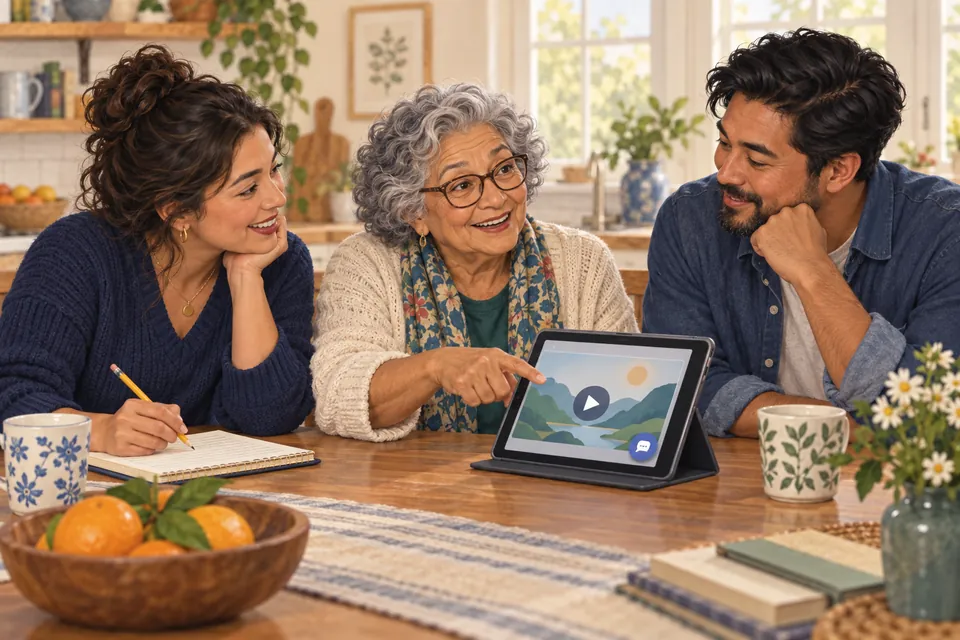
A family member suggested watching videos together, learning from the experience, and talking through the questions it raised.
Then came another idea: what if the group could press a button and invite AI into the conversation to offer insights on what they had been discussing? That suggestion points toward shared learning, with people choosing when an additional perspective might help.
Hundreds of features have been inspired by people on the front line. We are putting tools in their hands to help them shape, try, and improve new ideas quickly—with the goal of bringing useful concepts to market in days rather than months.
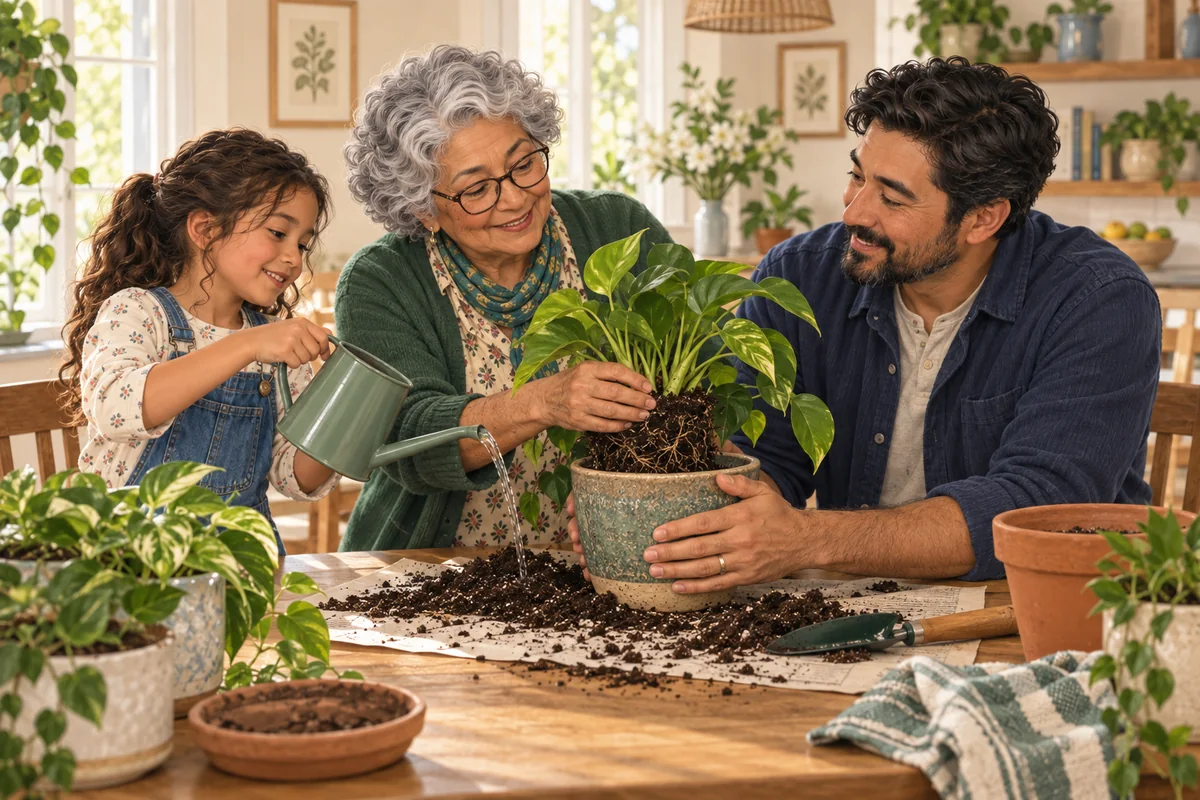
Every person’s needs are different. Every circle of care is different. Our time, energy, confidence, resources, and ability to help are different, too.
None of those things stays the same. What works one week may not work the next. Someone who usually holds everything together may need support today. Someone receiving care may still have so much care, wisdom, and encouragement to give.
We should never reduce a person to a diagnosis, a task, or a label such as “caregiver.”
Our aim is to make room for the whole person—and for the changing relationships, circumstances, and everyday realities around them.
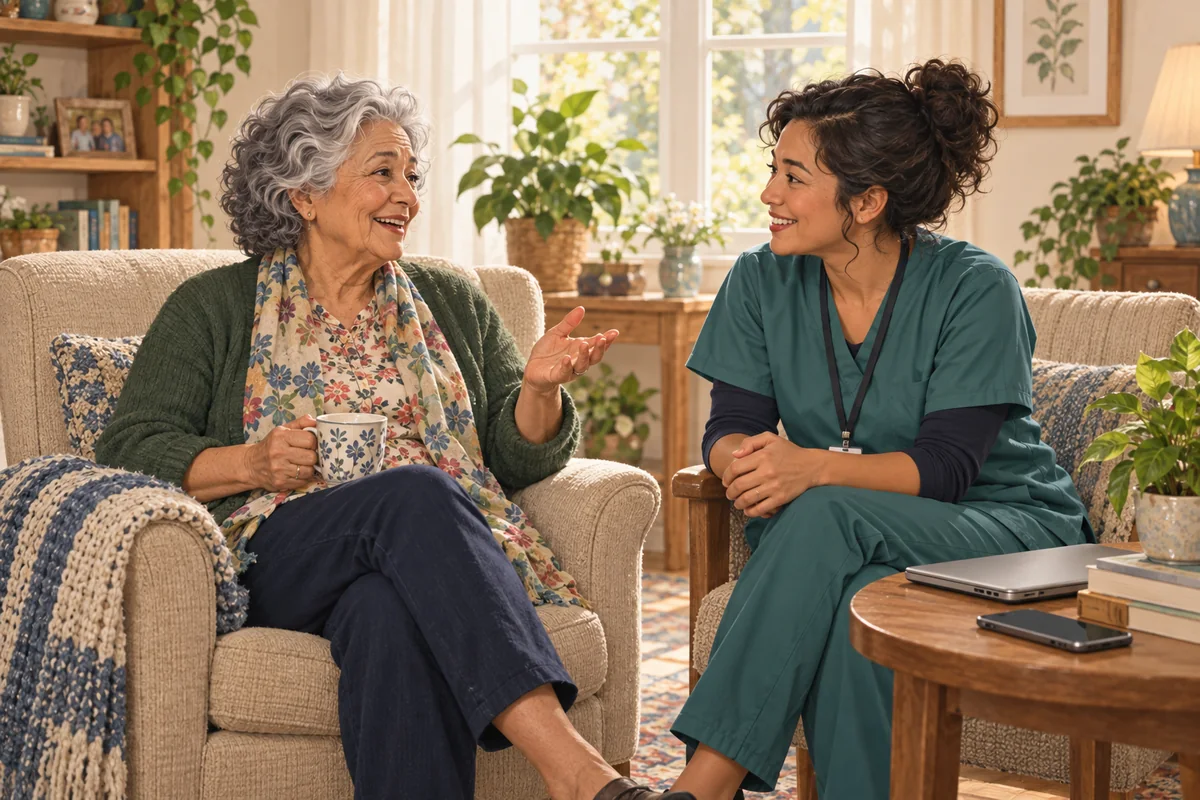
Data, research, thoughtful design, and AI matter. Understanding them helps us build responsibly. But they are the means, not the reason.
We are less interested in whether someone notices a clever feature than whether they feel more connected, understand what comes next, or have a little more time for a meaningful conversation.
Technology should not require people to turn their attention away from care just to manage the tools meant to support it.
The goal is not to make care feel more technical. It is to make room for care to feel more human.
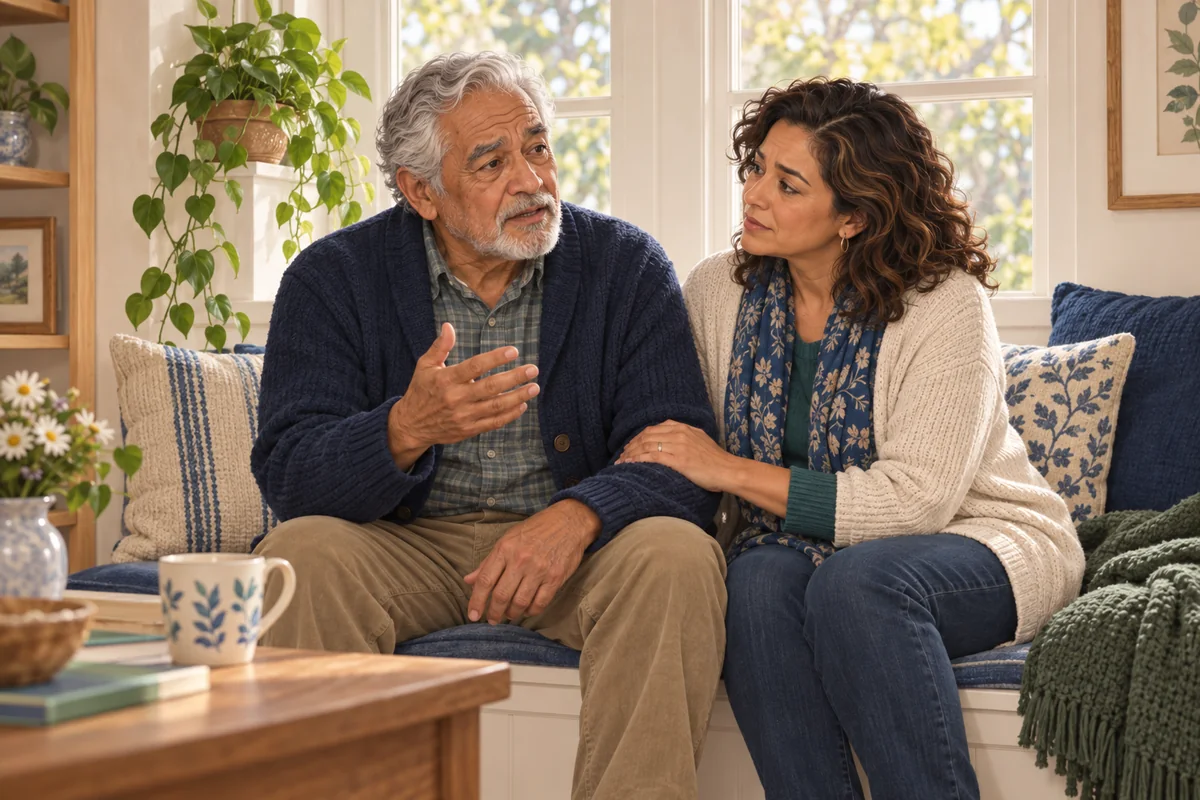
“Am I doing enough?” “Will they understand what matters to me?” “How will we manage if things change?”
Behind a practical question, there may be fear, uncertainty, exhaustion, or a wish not to burden someone else.
There is hope, too: for a good afternoon, a familiar laugh, a little more independence, or the reassurance that someone noticed and understood.
We cannot promise how a care journey will unfold. We can listen without judgment, be honest about uncertainty, and keep building ways for people to feel better supported along the way.
Care should leave room for difficult feelings without losing sight of what is still possible.
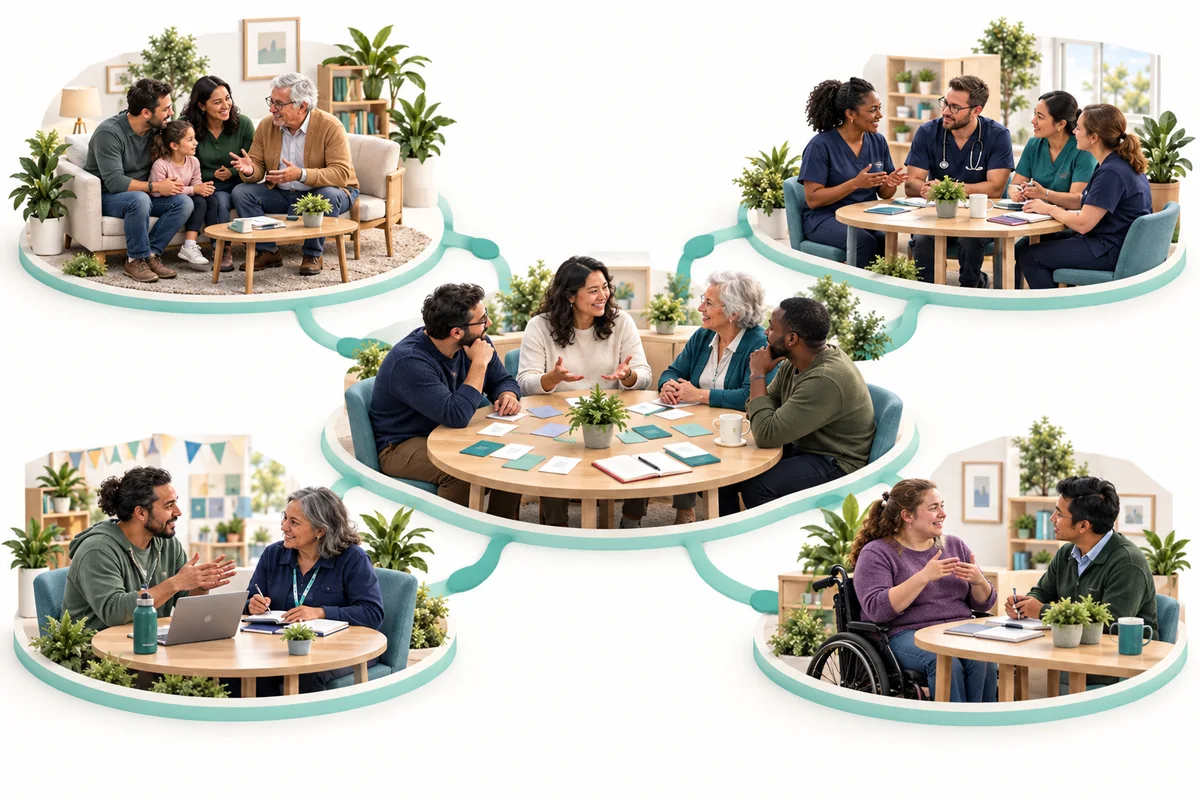
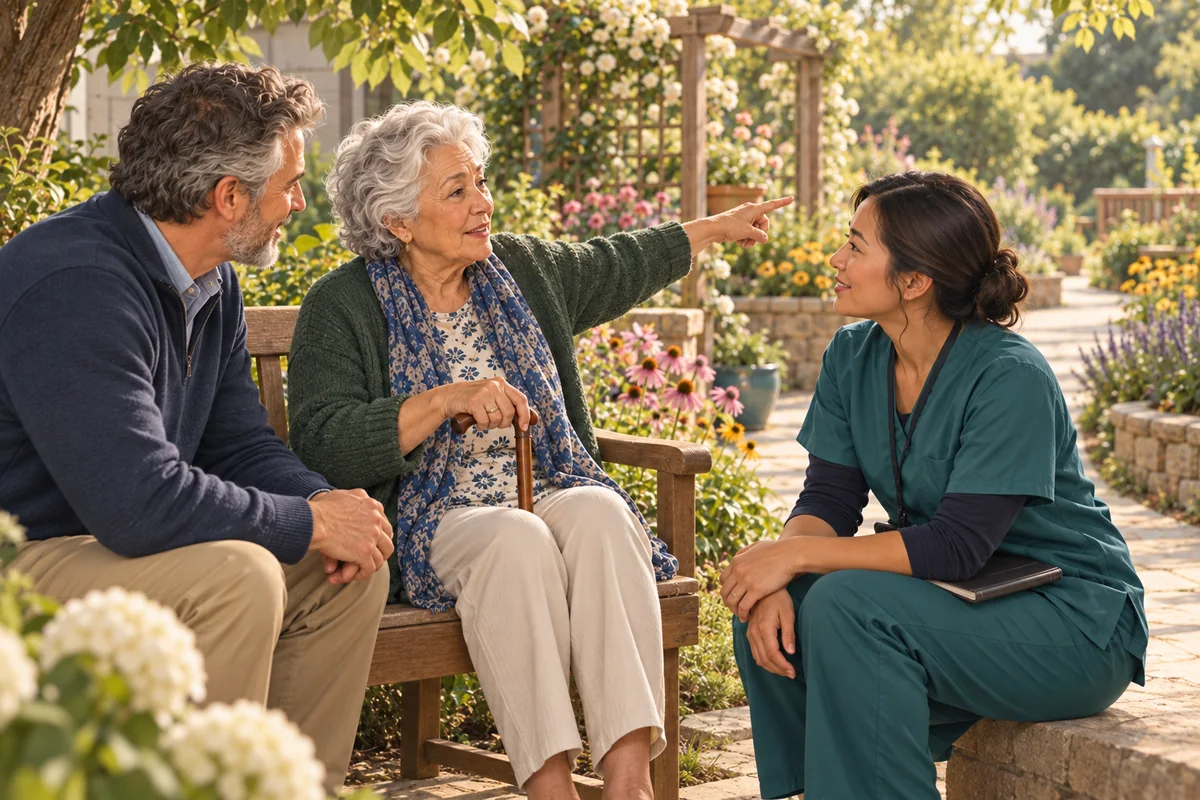
Families bring lived experience. Care teams bring practical wisdom. Community organizations bring relationships and local understanding. People receiving care bring their own preferences, histories, abilities, and ideas about what makes life meaningful.
Genus is evolving toward an ecosystem that makes more room for those contributions—so that a useful idea, a thoughtful approach, or a lesson learned does not have to stay with just one person or organization.
Contributing does not have to mean something big. It may be sharing what worked, pointing out what did not, offering encouragement, or helping us ask a better question.
We do not have all the answers. We believe we can find better ones together.
As Genus grows, protecting the vision means keeping people’s needs at the center of decisions about technology, services, and funding.
Our vision is for genusCommunity Foundation to become the holder and steward of the core technology, helping protect its purpose from commercial pressures and keep it available to serve people and communities over time.
The Foundation’s envisioned role also includes authorizing the validation of services delivered through the ecosystem and helping care initiatives connect with foundation support and grant-writing resources. The purpose is to connect meaningful work with evidence, accountability, and the support it needs to continue.
That responsibility begins with privacy, choice, and dignity. It means supporting the judgment and relationships of the people providing care, listening when something adds burden, and being willing to change direction.
The technology will keep changing. The purpose we are working to protect remains the same:
A community of care around every person in need.
Explore
Start with the people, the tools, or the ideas that matter to you.
Find your place as a participant, family member, caregiver, or partner.
Ready when you are
Book a 30-minute call. We set up a working preview under your name, with sample people and sample notes, so a scheduler, a nurse, and a family member can try real workflows before you decide anything.