
genus perspective
Building a family backup plan for winter disruptions
FEMA’s 2023 preparedness guide includes older adults and their caregivers in the same conversation. Our takeaway: a winter backup plan should make room for the person’s preferences and the limits of the people helping.
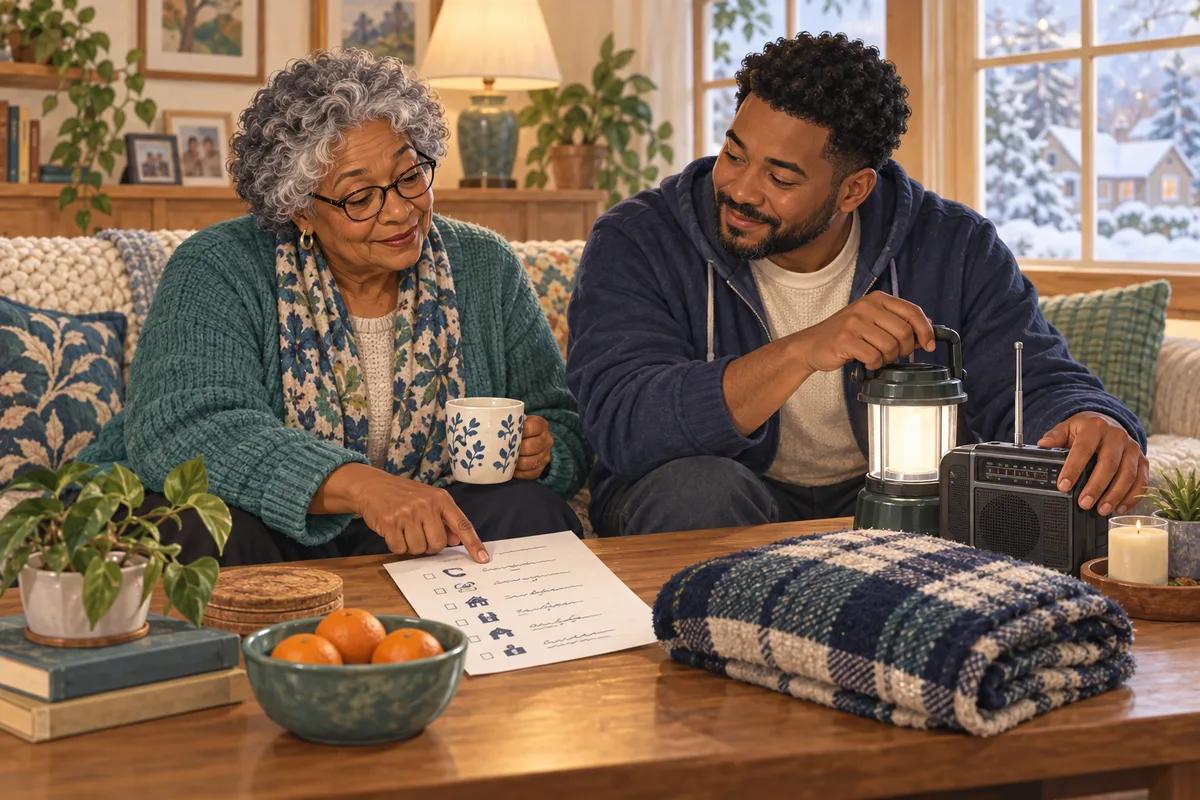
What we found in the news
In September 2023, FEMA introduced a disaster preparedness guide for older adults (opens in a new tab), with worksheets intended for older people and their caregivers. Its approach brings personal needs and the people available to help into one plan.
“assess your needs, create a plan and engage your network.”
— FEMA, September 20, 2023
This is preparedness guidance, not a study showing that a particular checklist prevents harm. We see a useful winter application: talk through disruptions before a cancelled visit or power outage forces hurried decisions.
Why this matters to us
A care arrangement can depend on small things working as expected. The usual driver arrives. A phone stays charged. Someone can get through the front door. When one link changes, several people may assume that somebody else has noticed.
At genus, we think a backup plan starts with the person receiving support. What would help them feel prepared? Whom would they want contacted? What arrangements would they find difficult or unwelcome?
The caregiver belongs in that conversation, too. Being the usual point of contact does not mean being available in every situation. A plan that depends on one person answering immediately is worth revisiting.
Walk through one likely disruption
Choose a realistic situation together, such as the usual helper being unable to travel. These are our conversation prompts:
- Which essential arrangements would be affected first?
- Who has actually agreed to help, and what can they do?
- How will everyone confirm that the replacement arrangement is in place?
- Where can the agreed information be found if a phone or internet connection is unavailable?
Include practical details that matter to your household, such as accessible transport or a preferred communication method. Ask the relevant care professionals about individual medical or equipment needs; a family conversation should not invent those instructions.
Then test the contact details with the people named. Finding an unavailable number on a calm afternoon is easier than discovering it during disruption. Set a time to revisit the plan when someone’s circumstances change.
The genus connection
Today, the genusConnect Care App (opens in a new tab) supports enabled conversations, events and tasks for invited community members. Features and access depend on the organization’s configuration.
Those tools can help a family agree on who will check a detail and record that the step is complete. They do not replace official alerts, emergency services or an offline plan. Our mission connection is making agreed support easier to understand before people need to act.
One question to take away
If the usual helper cannot come tomorrow, does everyone know the next agreed step?
Supporting references
- FEMA Introduces Disaster Preparedness Guide for Older Adults (opens reference preview; direct link opens in a new tab)
FEMA · 2023-09-20
FEMA’s dated announcement of guidance that helps older adults and caregivers assess needs, make a plan and involve their support network.


