
genus perspective
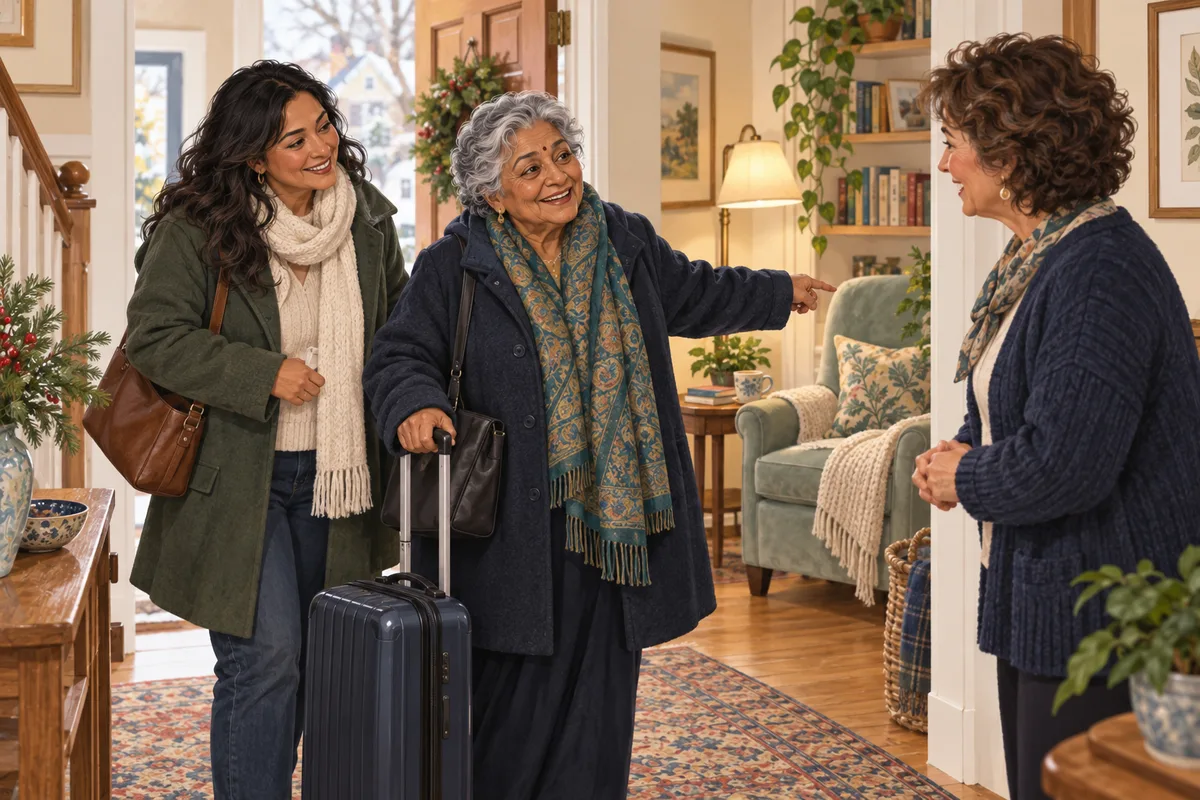
Sharing care across households during holiday visits
Alzheimer’s Foundation of America’s November 2025 guidance emphasizes familiar routines, participation and preparation for gatherings. We explore what families can agree before a visit moves care into another household.
What we found in the guidance
Alzheimer’s Foundation of America’s November 19, 2025 guidance (opens in a new tab) offers suggestions for adapting Thanksgiving gatherings for a person living with dementia. It emphasizes familiar routines, involvement and preparation.
“Relatives and friends are often eager to help and be involved but may not know how.”
— Alzheimer’s Foundation of America
This is practical expert guidance for dementia care, not a travel study or an assessment of any particular person. Its focus on preparing the people around a gathering offers a useful prompt for other family visits, too.
Why this matters to us
Moving a celebration into another household can move a care routine with it. The host may understand the meal plan but know little about the help a guest needs. The main caregiver may assume they will continue doing everything, even while being treated as a visitor.
At genus, we think a welcoming invitation includes a conversation about that practical work.
The person receiving support also needs a voice. A long gathering that satisfies everyone else may not be the visit they want. A shorter stay or a quieter occasion can still carry the meaning of being together.
Agree before arriving
Our suggestion is to have a brief conversation between the person, caregiver and host before finalizing the visit.
Talk about the timing that would work, the ordinary routine that matters most and the parts of the gathering the person wants to join. Identify where they could spend a quieter moment if they prefer.
Then name the practical responsibilities. Who will arrange transport? Who can help with the meal or belongings? What support has the host actually agreed to provide?
Share only the personal information guests need to make the visit comfortable and respectful. An explanation of a preferred greeting may be useful; a detailed health update for every guest may not be.
Agree that the plan can change. A shorter visit, different arrival time or decision to stay home should not require defending the person’s commitment to the family.
For health-related questions about travel or changes to care, ask the appropriate care team. Household planning is a way to coordinate an agreed visit, not to decide whether a trip is medically suitable.
The genus connection
Today, the genusConnect Care App (opens in a new tab) supports enabled conversations, events and tasks for invited community members. Features and access depend on the organization’s configuration.
An event can hold the agreed timing, and tasks can clarify practical help among invited members. Keep the information appropriate to the group. Our mission connection is supporting family participation through arrangements that respect the person and the caregiver, including when those arrangements need to change.
One question to take away
Before the next family visit, which responsibility needs a clear agreement between the host and the caregiver?
Supporting references
- T.H.A.N.K.S. for Creating a Dementia-Friendly Thanksgiving (opens reference preview; direct link opens in a new tab)
Alzheimer’s Foundation of America · 2025-11-19
Practical expert guidance for families planning a Thanksgiving gathering with someone living with dementia; not a study or general travel assessment.


