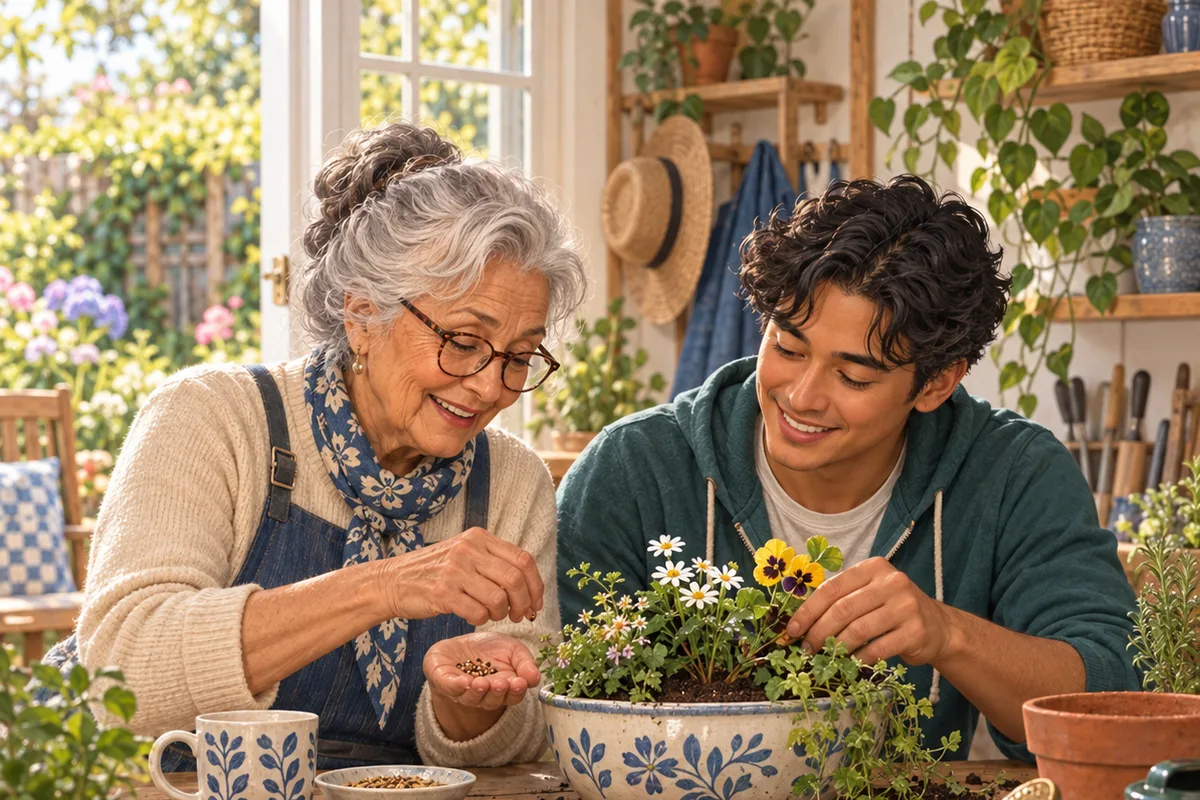
Making room at an ordinary table
Meal-sharing research draws attention to an ordinary part of life. We reflect on simple invitations, comfortable expectations and making room at a table without turning hospitality into a performance.
Observations. Evidence. Ideas.
News, observations, and practical ideas for people who support care. Explore what is changing and what it means for your community.
Explore the research behind our workStart with a topic or a few words, or leave search blank to browse.
Search looks through titles, summaries, authors, and article text. With several words, each word must appear somewhere in the article.
Combine the options below, then choose Find articles. Results must match every option you choose. Leave an option set to All to keep that part open.
An article can belong to more than one theme. Explore what each covers and why we write about it.
Find articles relevant to a community, care setting, or organization. These options include people and partners as well as places:
Choose a perspective that interests you. You can read from any role:
No matches? Try fewer words or remove a filter. Clear filters clears your search and all selected options.
72 articles · Page 4 of 6
Meal-sharing research draws attention to an ordinary part of life. We reflect on simple invitations, comfortable expectations and making room at a table without turning hospitality into a performance.
A small study of intergenerational programmes invites a closer look at participation and choice. We explore shared interests, flexible roles and meetings where different ages can contribute in their own ways.
AARP’s July 2024 survey found generally positive caregiver communication with health professionals, alongside challenges for younger caregivers. Our perspective looks at the next step: carrying a confirmed practical arrangement clearly through the family.
Knowing a route exists may not answer the questions that make a first journey difficult. We explore arrival guides, optional companions and a plan that leaves room to pause or try again.
A September 2024 ACL announcement put attention on protecting people’s rights in decision-making systems. Our perspective brings that principle into everyday care: support understanding and participation before assuming someone else should decide.
AARP Virginia’s November 2024 account of a caregiving conference highlighted the financial side of helping family. Our perspective: begin the year by making routine commitments visible, including the small expenses and coordination that can go unmentioned.
A sense of purpose need not begin with a large resolution. We consider one chosen commitment, enough room for changing circumstances and a community where belonging is never earned through productivity.
NIA’s July 2024 grief guidance recognizes that people mourn differently. Our perspective: holiday connection can include a changed plan, a memory shared by choice and permission to participate in a way that feels manageable.
Not every helpful act comes with a volunteer badge. New civic-life findings prompt a reflection on specific offers, comfortable boundaries and the ordinary help neighbors can choose to share.
An October 2024 survey report describes interest in more opportunities to connect. We explore how a community can turn that broad wish into one idea shaped with the people who would use it.
NIA’s guidance asks families to consider skills, changing availability and personal limits. Our perspective: a fair conversation starts with what each sibling can reliably offer and what the person receiving support actually wants.
AHRQ’s April 2024 review examines structured communication with family caregivers during care transitions. Our perspective: families need a chance to ask, understand and clarify what comes next, alongside a realistic account of the evidence.