The journey to an activity is part of the invitation
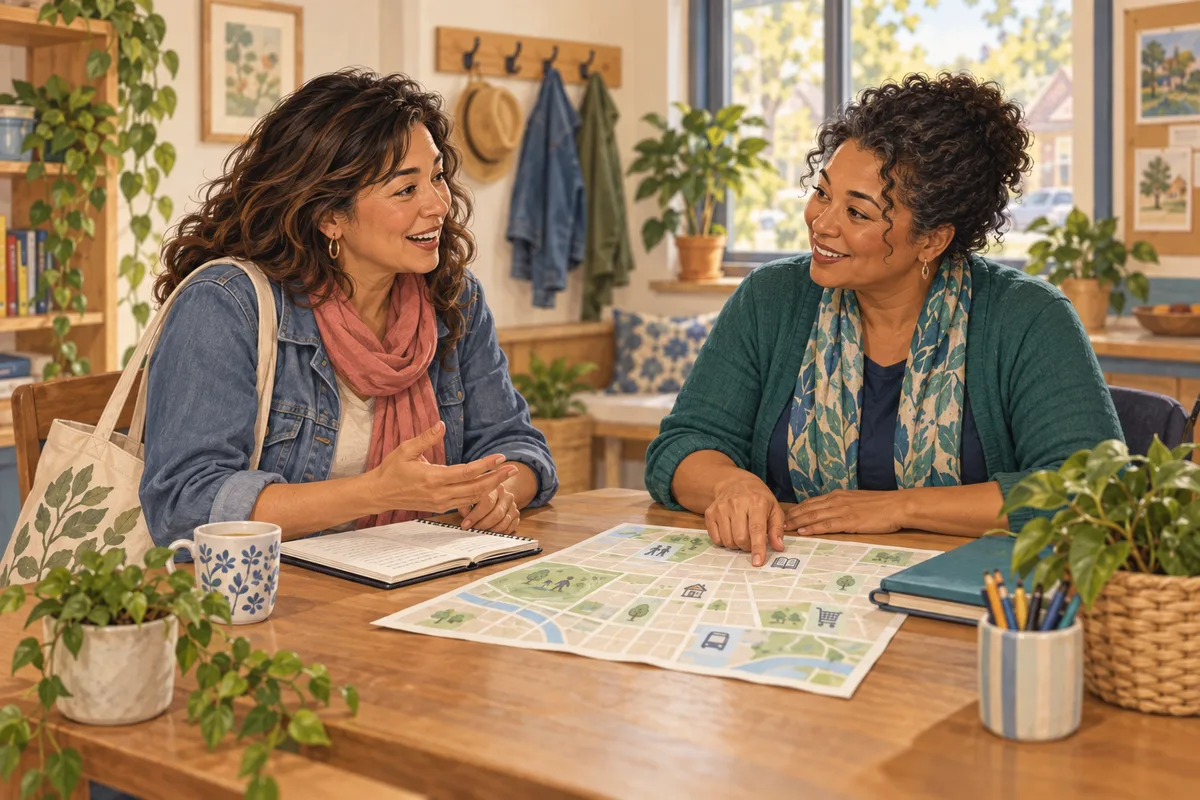
An activity starts with the journey to it. Transport research prompts a practical look at fares, arrival points, return trips and the details that help people decide whether they can join.
Observations. Evidence. Ideas.
News, observations, and practical ideas for people who support care. Explore what is changing and what it means for your community.
Explore the research behind our workStart with a topic or a few words, or leave search blank to browse.
Search looks through titles, summaries, authors, and article text. With several words, each word must appear somewhere in the article.
Combine the options below, then choose Find articles. Results must match every option you choose. Leave an option set to All to keep that part open.
An article can belong to more than one theme. Explore what each covers and why we write about it.
Find articles relevant to a community, care setting, or organization. These options include people and partners as well as places:
Choose a perspective that interests you. You can read from any role:
No matches? Try fewer words or remove a filter. Clear filters clears your search and all selected options.
75 articles · Page 5 of 7
An activity starts with the journey to it. Transport research prompts a practical look at fares, arrival points, return trips and the details that help people decide whether they can join.
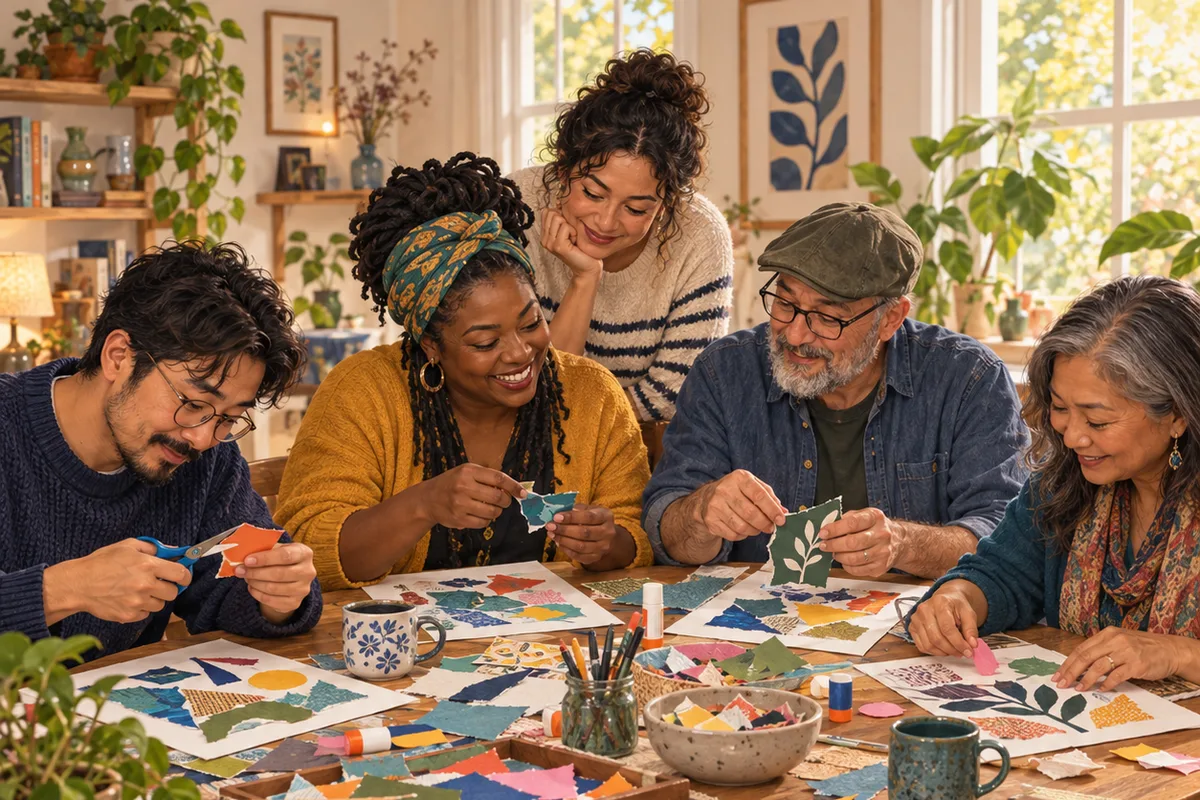
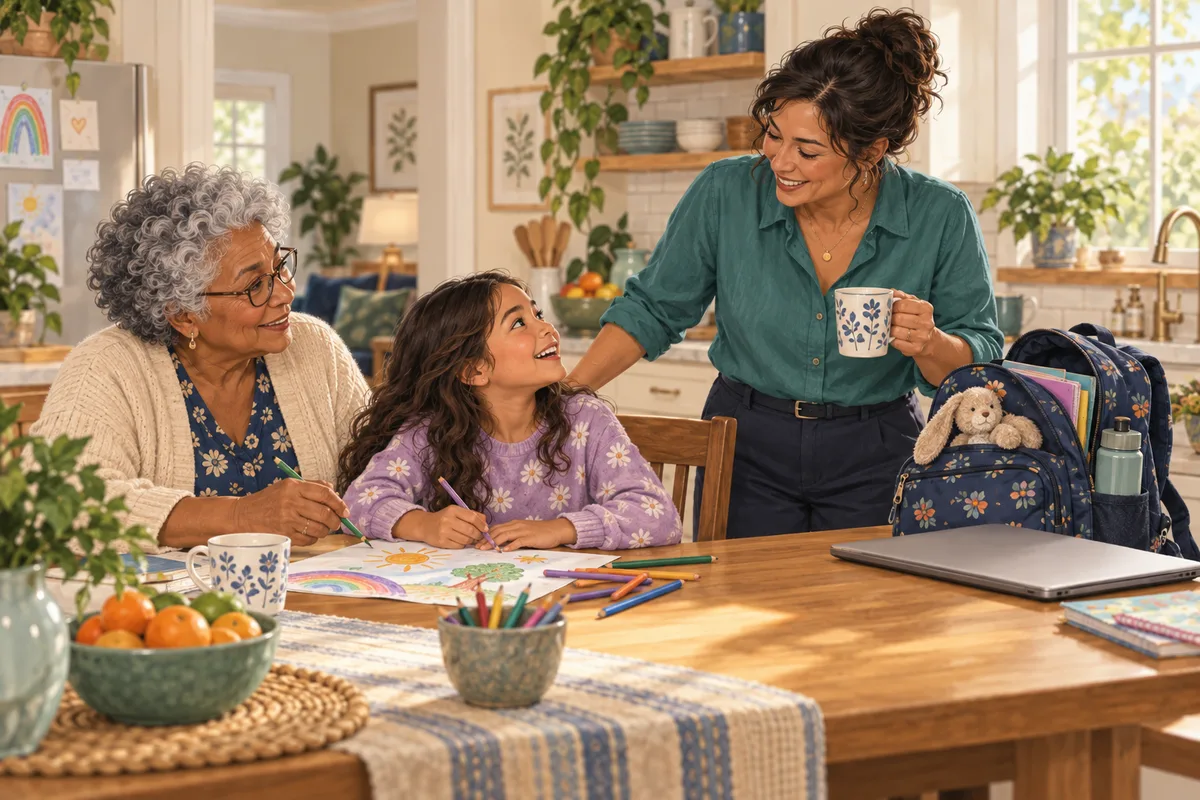
Research on arts and crafts prompts an invitation to make something without a performance to deliver. We explore materials, choice and the enjoyable conversation that may happen along the way.
The Surgeon General’s 2024 advisory asked families and communities to support parents. Our takeaway: a useful offer names a task, a time and someone who will follow through.
The 2024 launch of Medicare’s GUIDE model put caregiver support alongside dementia care. Our takeaway: a useful plan should make room for the person giving care, too.
A busy calendar does not tell the whole story of connection. We explore how community teams can look beyond attendance and ask what an activity feels like to the people taking part.
A welcome is worth reviewing from the perspective of people it may overlook. CDC findings prompt questions about assumptions in invitations, respectful participation and ways to raise a concern.
Family Caregiver Alliance’s 2024 collection of personal stories makes room for experiences that are often hidden. Our perspective: being the only available relative should be a starting point for finding support, not an assumption that everything must stay with you.
Having a voice should mean a chance to shape something real. A health-policy resolution prompts practical ideas for choosing open decisions, inviting different contributions and explaining what happens next.
AARP’s January 2024 respite report looks at both the value of breaks and barriers to using them. Our perspective: making time away possible means considering the caregiver’s needs and the experience of the person receiving support.
A 2023 study compared burnout across different caregiving roles. Our takeaway is not a label for every family: it is a reason to notice when children, work and an older relative’s needs are drawing on the same person’s limited time.
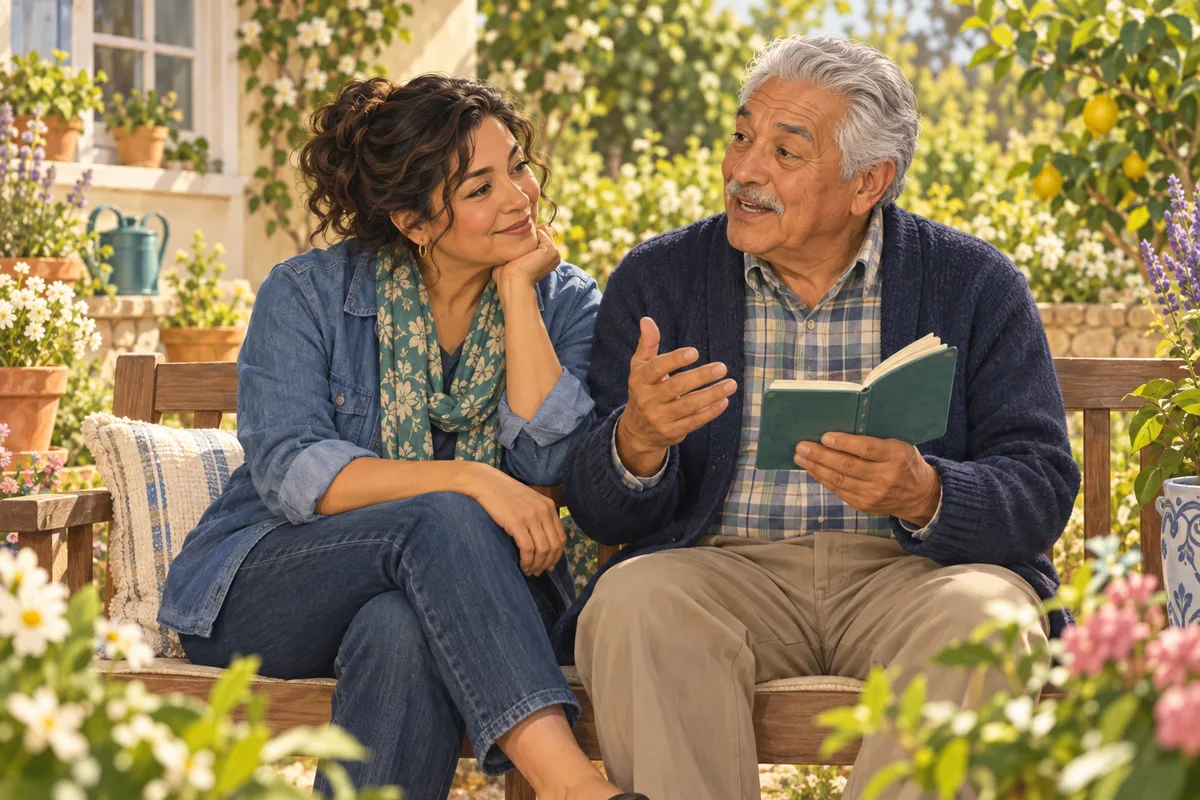
NIA’s guidance starts with asking the older person directly. Our perspective: an early conversation works better when it names one observation, listens to what matters and leaves room for a next step chosen together.
Volunteering can start with an interest and a manageable offer of time. Civic-life research prompts our reflection on clearer roles, flexible commitments and contributions shaped by the person.