genusConnect
Menu

Observations. Evidence. Ideas.

News & Insights

News, observations, and practical ideas for people who support care. Explore what is changing and what it means for your community.

Explore the research behind our work

Search help

Start with a topic or a few words, or leave search blank to browse.

Search looks through titles, summaries, authors, and article text. With several words, each word must appear somewhere in the article.

Combine the options below, then choose Find articles. Results must match every option you choose. Leave an option set to All to keep that part open.

ThemesThe ideas an article explores

An article can belong to more than one theme. Explore what each covers and why we write about it.

Caregiving & family life
The everyday experience of giving and receiving care: family relationships, changing roles, practical support, and time for yourself. We explore what helps care fit into a full life.
Community & belonging
Friendship, shared purpose, creativity, volunteering, and welcoming places to gather. We explore how people feel known, contribute in ways they choose, and enjoy life together, and what makes participation possible.
Care teams & transitions
Communication, shared care plans, and changes between home, hospital, and community support. We explore what helps people stay informed and involved as care needs change.
Leadership & operations
Supporting staff, listening to participants, coordinating programs, and sustaining services. We explore the everyday decisions that help organizations serve people well.
Technology & responsible AI
Digital tools, accessibility, privacy, and thoughtful uses of AI. We explore where technology can help, with human relationships, choice, and judgment guiding its use.
Policy & industry change
Changes in care policy, funding, research, and service delivery. We consider what these developments could mean for people, families, and the organizations supporting them.
SettingsCommunities and organizations

Find articles relevant to a community, care setting, or organization. These options include people and partners as well as places:

  • Families, caregivers, and volunteers
  • Funders and foundations
  • Community centers and day programs
  • Care agencies and community partners
  • Health systems, providers, payors, and partners
  • Device and technology companies
  • Developers and product builders
Reader rolesThe perspective you want to explore

Choose a perspective that interests you. You can read from any role:

  • Caregiver
  • Volunteer
  • Frontline staff
  • Program manager
  • Executive / CEO
Article typesThe kind of reading you are looking for
Industry news
Developments and findings from across care and community life.
genus perspective
Our interpretation of evidence, observations, and ideas.
Practical guide
Steps or suggestions you can put into practice.
Company update
News about genus and our work.

No matches? Try fewer words or remove a filter. Clear filters clears your search and all selected options.

Matching articles

65 articles · Page 5 of 6

genus perspectiveReference date ·

Planning a break that works for the caregiver and family

AARP’s January 2024 respite report looks at both the value of breaks and barriers to using them. Our perspective: making time away possible means considering the caregiver’s needs and the experience of the person receiving support.

  • Families, caregivers, and volunteers
  • Community centers and day programs
  • Care agencies and community partners

genus perspectiveReference date ·

Recognizing the caregiver between generations

A 2023 study compared burnout across different caregiving roles. Our takeaway is not a label for every family: it is a reason to notice when children, work and an older relative’s needs are drawing on the same person’s limited time.

  • Families, caregivers, and volunteers
  • Community centers and day programs
  • Care agencies and community partners

genus perspectiveReference date ·

The friend you have been meaning to contact

Sometimes the person we would like to see is someone we already know. Research on reconnecting prompts a reflection on an ordinary first message, a comfortable invitation and room for the other person to choose.

  • Community centers and day programs
  • Families, caregivers, and volunteers
  • Care agencies and community partners

genus perspectiveReference date ·

Talking about changing care needs before a crisis

NIA’s guidance starts with asking the older person directly. Our perspective: an early conversation works better when it names one observation, listens to what matters and leaves room for a next step chosen together.

  • Families, caregivers, and volunteers
  • Community centers and day programs
  • Care agencies and community partners

genus perspectiveReference date ·

Helping from a distance: a clear role can travel

NIA’s long-distance caregiving guidance shows that support is not limited to the people who live nearby. Our takeaway: agree on one useful responsibility, including the follow-through, before adding more messages to the local caregiver’s day.

  • Families, caregivers, and volunteers
  • Community centers and day programs
  • Care agencies and community partners

genus perspectiveReference date ·

Somewhere to spend time without having to spend money

Libraries, parks and community rooms can offer room for everyday connection. We look beyond free admission to the practical details that make spending time there possible.

  • Community centers and day programs
  • Families, caregivers, and volunteers
  • Care agencies and community partners

genus perspectiveReference date ·

Keeping companionship and shared interests in everyday care

WHO’s November 2023 commission put social connection on the global health agenda. Our perspective brings the question home: how can a care circle protect time for the interests and relationships that make someone’s day their own?

  • Families, caregivers, and volunteers
  • Community centers and day programs
  • Care agencies and community partners

genus perspectiveReference date ·

Loneliness has no single age

A January 2024 poll challenges the idea that loneliness belongs to one stage of life. We consider invitations that welcome different ages while respecting shared interests and individual preferences.

  • Community centers and day programs
  • Families, caregivers, and volunteers
  • Care agencies and community partners

genus perspectiveReference date ·

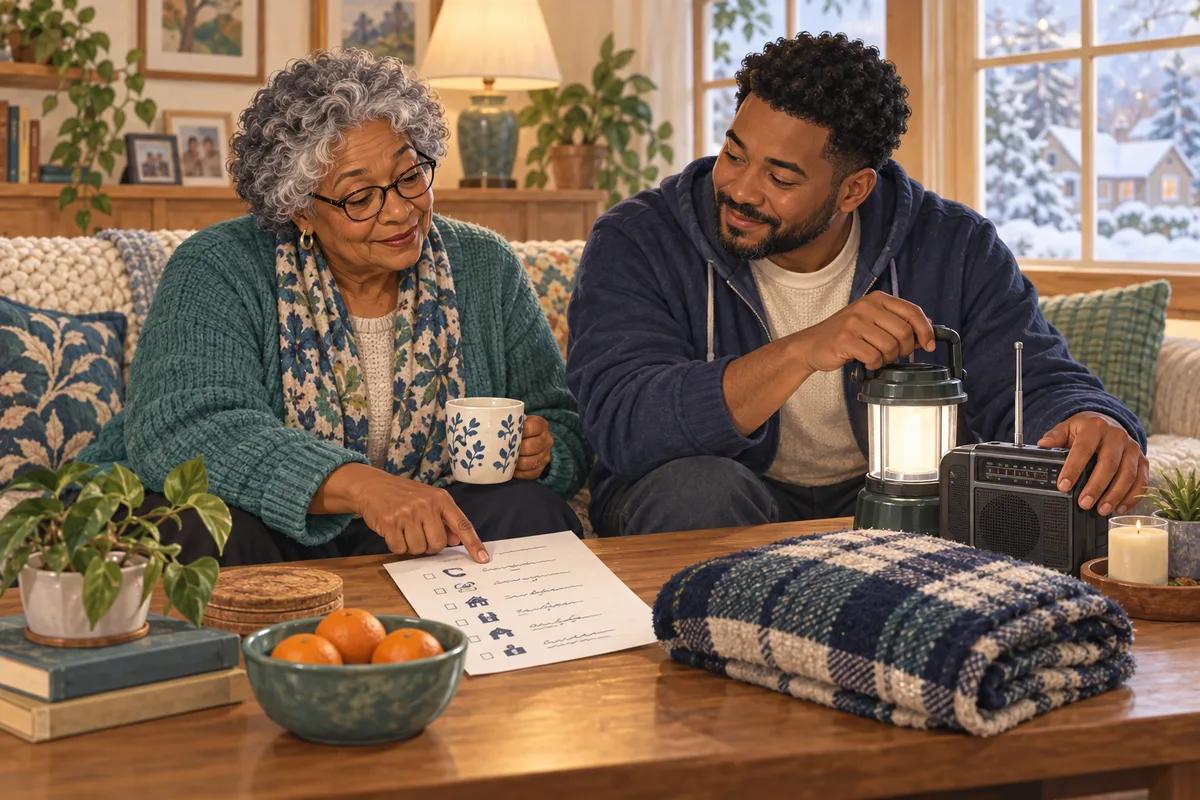
Building a family backup plan for winter disruptions

FEMA’s 2023 preparedness guide includes older adults and their caregivers in the same conversation. Our takeaway: a winter backup plan should make room for the person’s preferences and the limits of the people helping.

  • Families, caregivers, and volunteers
  • Community centers and day programs
  • Care agencies and community partners

genus perspectiveReference date ·

After the referral, what happened?

A 2023 CMS evaluation raises a useful question for care teams: did a referral lead to support the person could actually use? Our perspective on practical follow-through, clear responsibility, and knowing when a service is out of reach.

  • Health systems, providers, payors, and partners
  • Care agencies and community partners
  • Community centers and day programs

genus perspectiveReference date ·

Sharing meals, errands and visits without overloading one person

Caregiver connection should lead to useful help. Our perspective on 2023 guidance: turn a seasonal offer into one agreed responsibility, with a clear handoff and room for plans to change.

  • Families, caregivers, and volunteers
  • Community centers and day programs
  • Care agencies and community partners

genus perspectiveReference date ·

Small acts can make a community feel more welcoming

An offered chair or quiet introduction can make room for someone to join. Drawing on a 2023 poll, we reflect on thoughtful offers, comfortable choices and everyday community life.

  • Community centers and day programs
  • Families, caregivers, and volunteers
  • Care agencies and community partners

Your place here stays open. Close the new tab or select this site’s tab to return.

Open in new tab